Tree care advice.
Plain answers to the questions we hear most, from our team to your yard.
Why tree topping is bad, and what to ask for instead
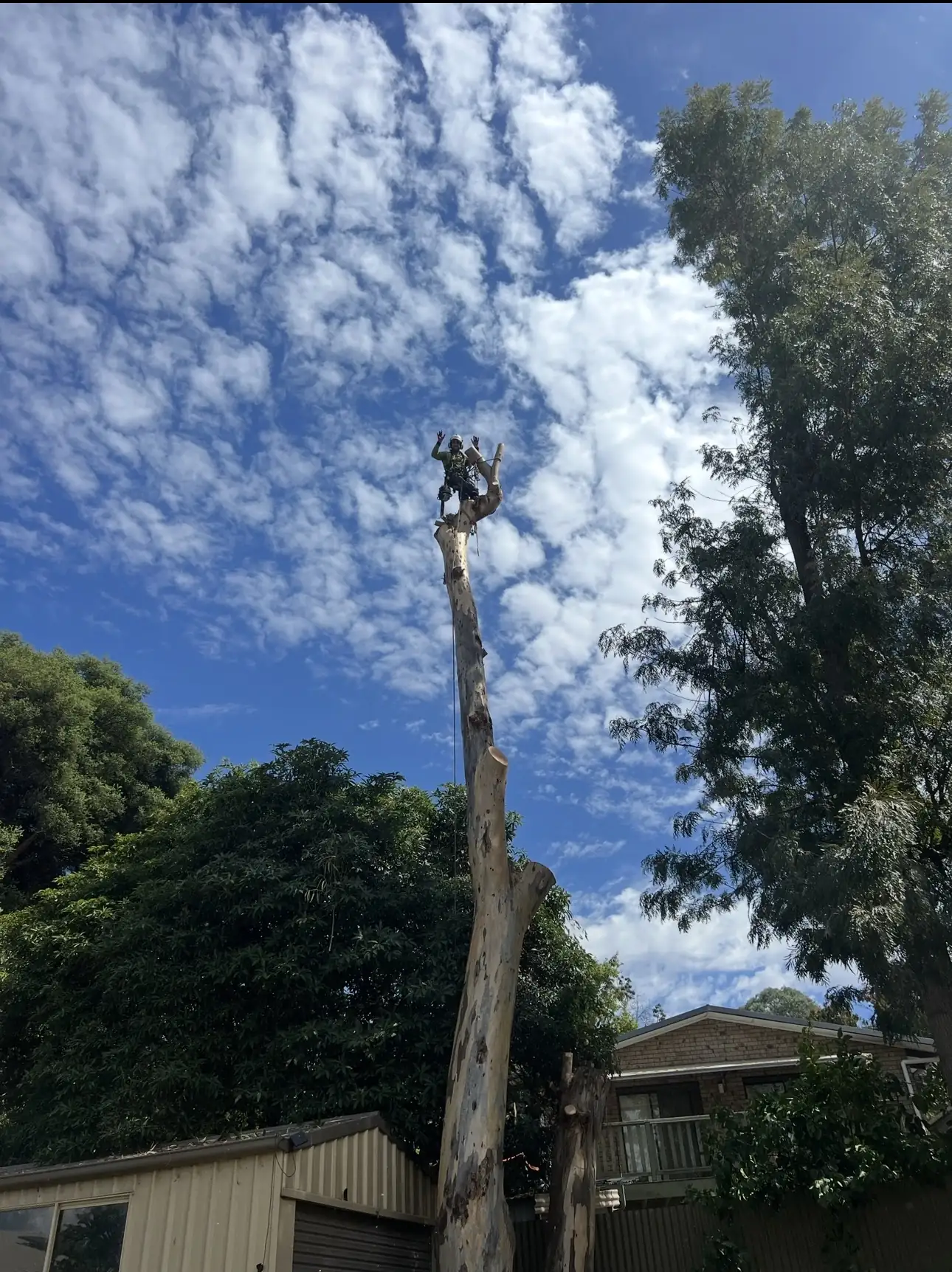
Why tree topping is bad comes down to one thing: it swaps a problem you can see for one you cannot. The tree looks tamer for a few months. Inside, it is carrying a pile of fresh shoots that are poorly joined to the old wood.
How to cut down a tree: what the job really involves
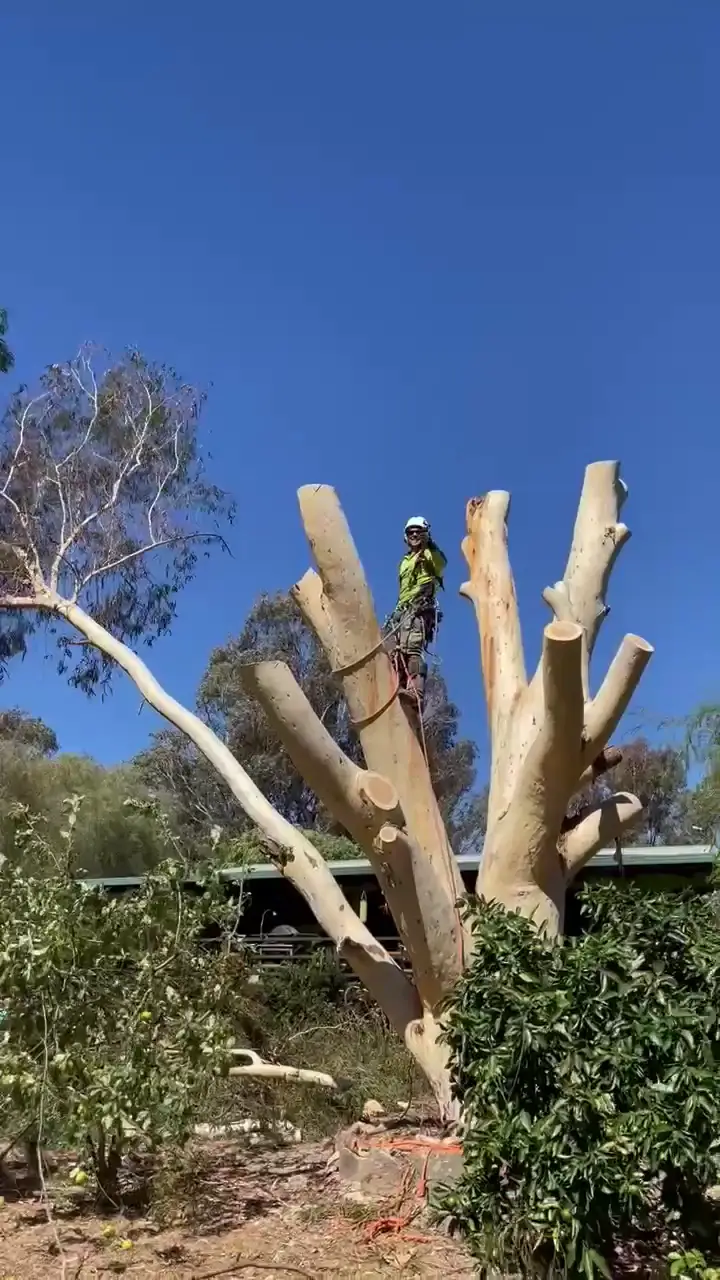
If you are searching for how to cut down a tree, the honest answer is that most trees should not be dropped by their owner. A backyard felling is skilled work with real ways to get hurt, and an article cannot teach it safely.
Tree lopping and pruning: what is the real difference?
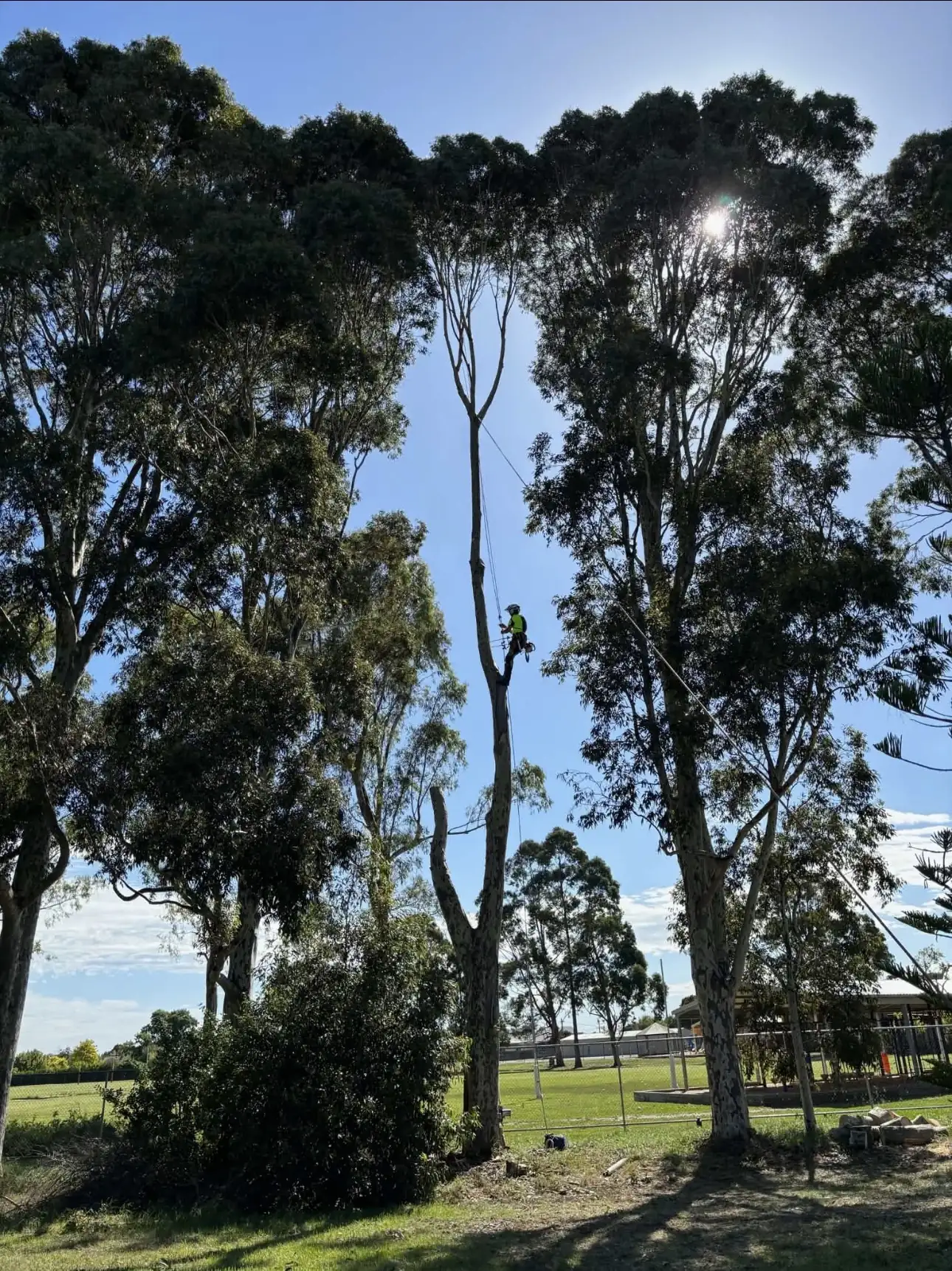
Tree lopping and pruning are often treated as one job, yet they are not the same cut. Pruning is a planned cut at a chosen spot, where the tree can seal the wound. Lopping, in the strict sense, is a cut made between branch junctions, and trees tend to pay for it later.
How long does a tree stump take to rot, and what decides it?
How long does a tree stump take to rot? There is no single answer. A soft timber in damp ground can break down in a handful of years, while a dense hardwood can sit there for decades.
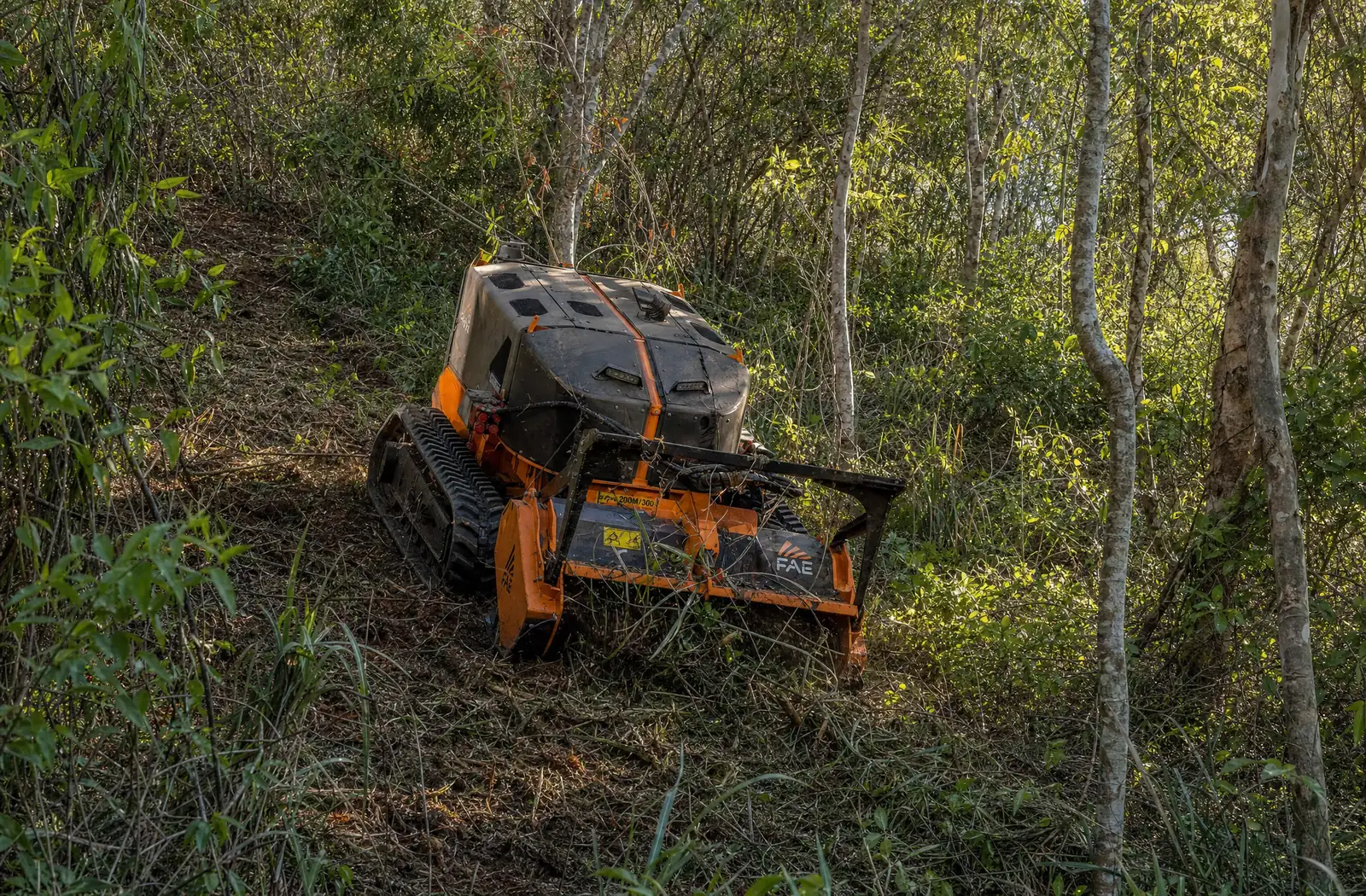
What is forestry mulching, and when does it suit a block?
Forestry mulching is a way of clearing land with one tracked machine that chews trees and scrub into mulch on the spot. Nothing is dragged out and stacked. What was growing ends up as a layer of chopped plant matter on the soil.
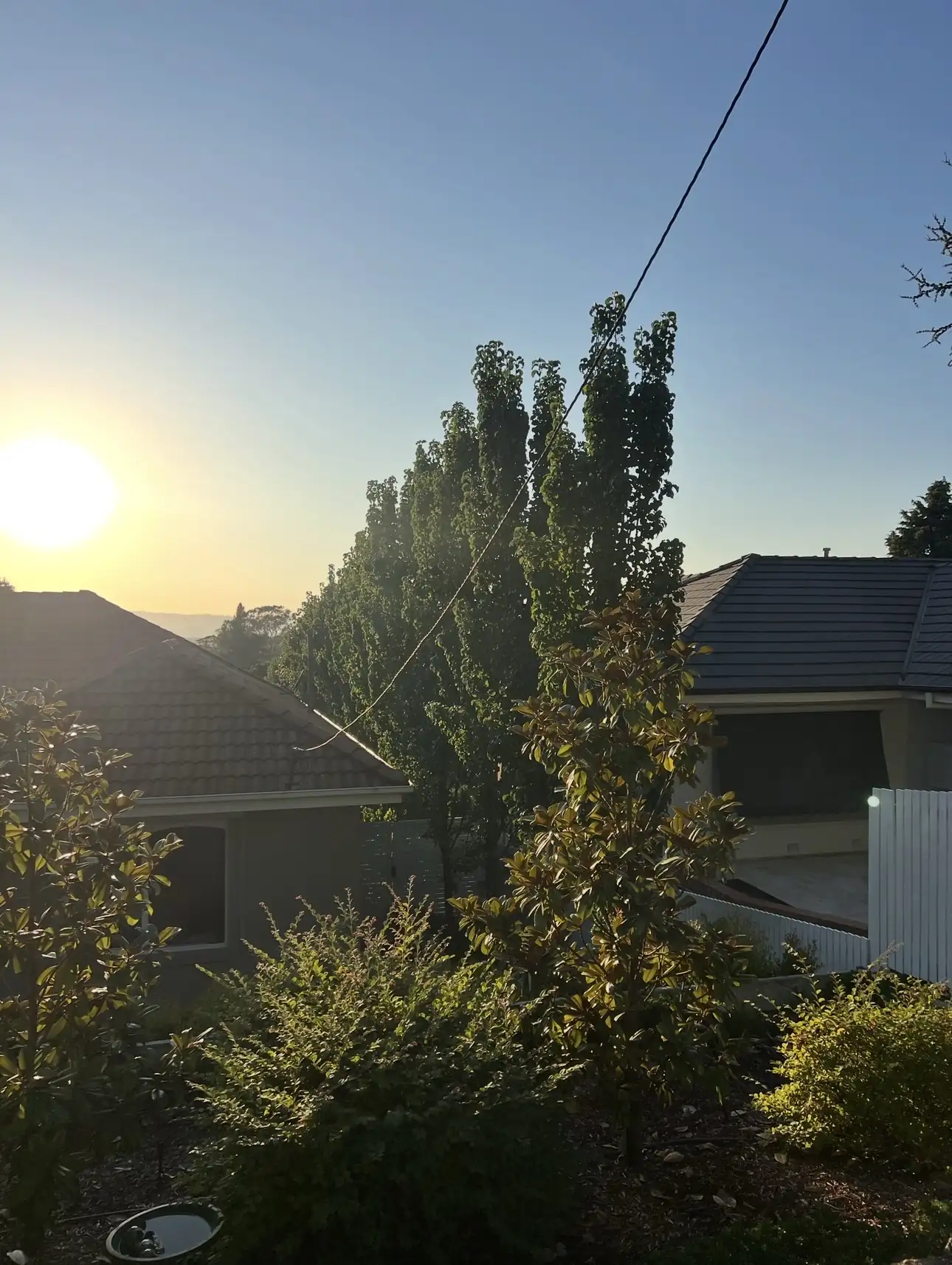
Who is responsible for trimming trees near power lines?
Who is responsible for trimming trees near power lines depends on two things: whose tree it is, and whose line it is. A council tree beside a street line is handled one way. A tree beside a private line on your own land is handled another.
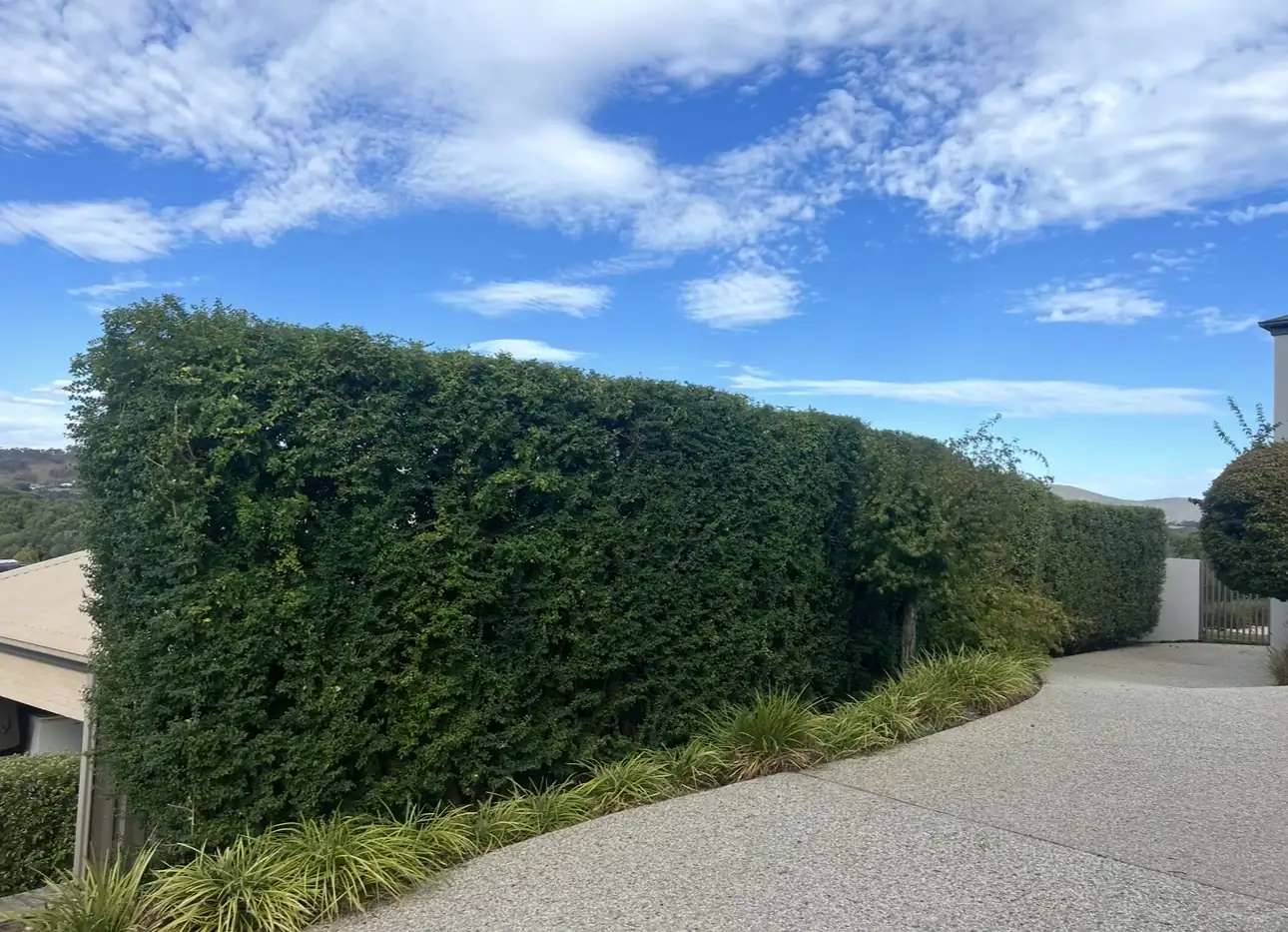
How to reduce the height of a hedge without bare patches
How to reduce the height of a hedge comes down to three choices: which plant you have, how much you take off in one go, and what time of year you cut. Some hedges forgive a deep cut. Others are left with brown gaps that never fill.
What happens to animals in trees being cut
Animals in trees being cut are a real part of tree work, because native birds, possums and others use trees as homes. When our team finds one, the job pauses and the plan is reworked. Cutting carries on only when it can go ahead without hurting the animal.
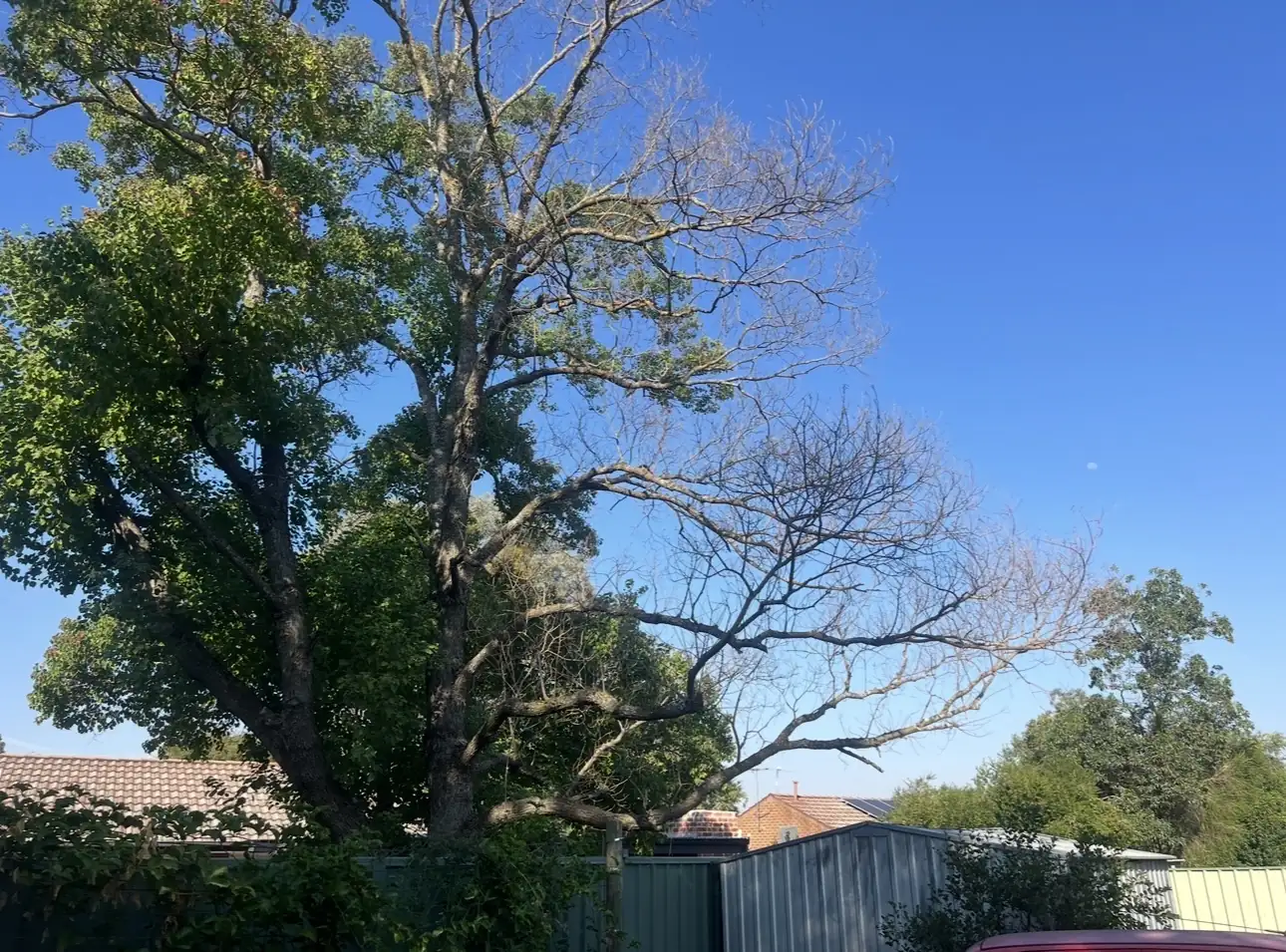
What to do about a tree too close to house walls
A tree too close to house walls is not always a problem, and it is not always safe either. The answer depends on the tree, the soil and what would be hit if something failed, so removal is only sometimes the right call.
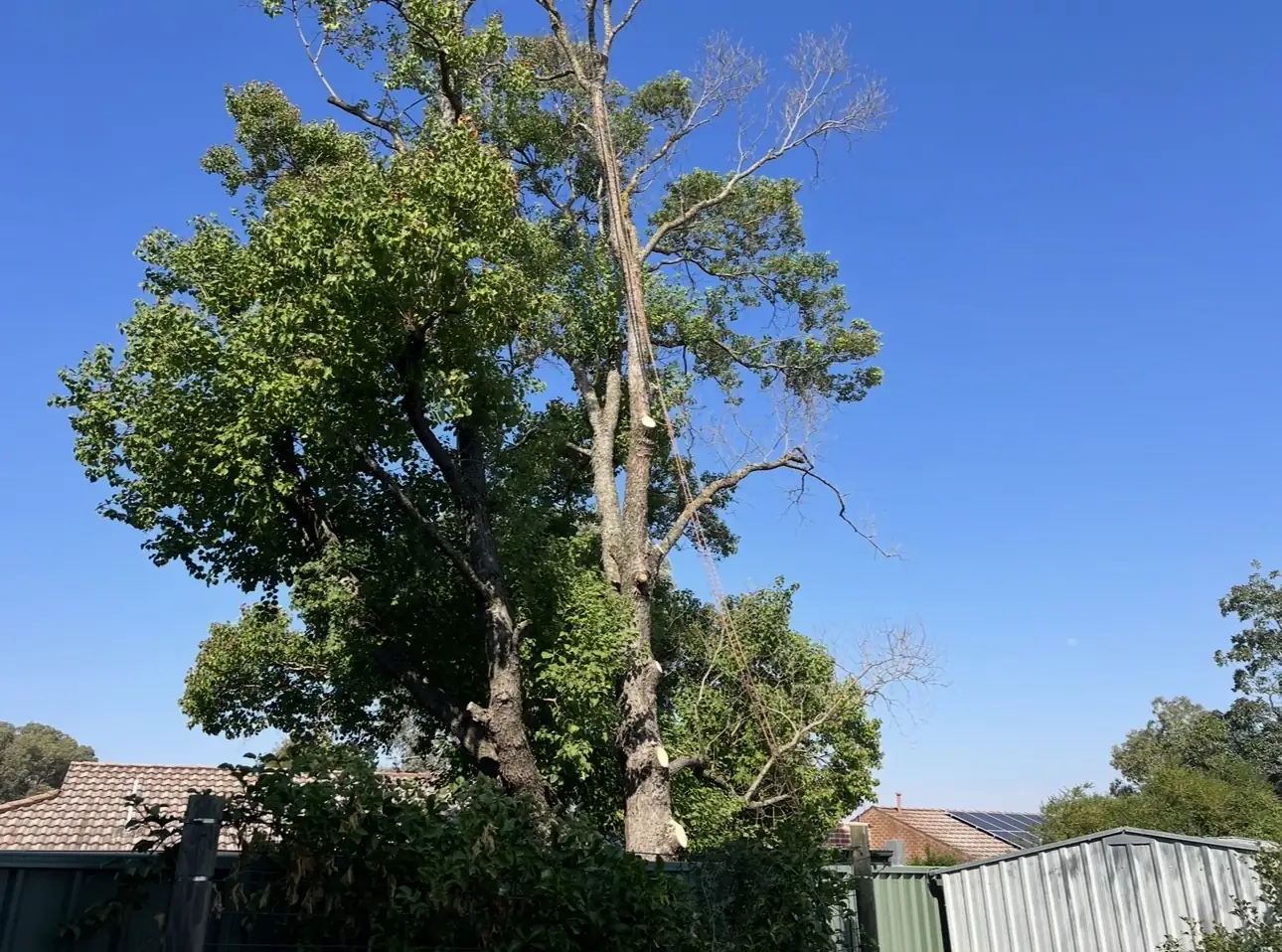
Is cabling a tree a good idea? A fair look at both sides
Is cabling a tree a good idea? For a healthy tree with one structural weak spot, it often is. A support can lower the chance of a limb or stem failing and can keep a tree that would otherwise be lost. For a tree with rot, decay or a failing base, it is the wrong tool.
What is a tree risk assessment, and when do you need one?
A tree risk assessment is a structured check of one tree. It asks how likely the tree, or part of it, is to fail, what stands underneath, and how bad the result would be. The answer is a rating, plus a plan to bring that rating down if it needs to come down.
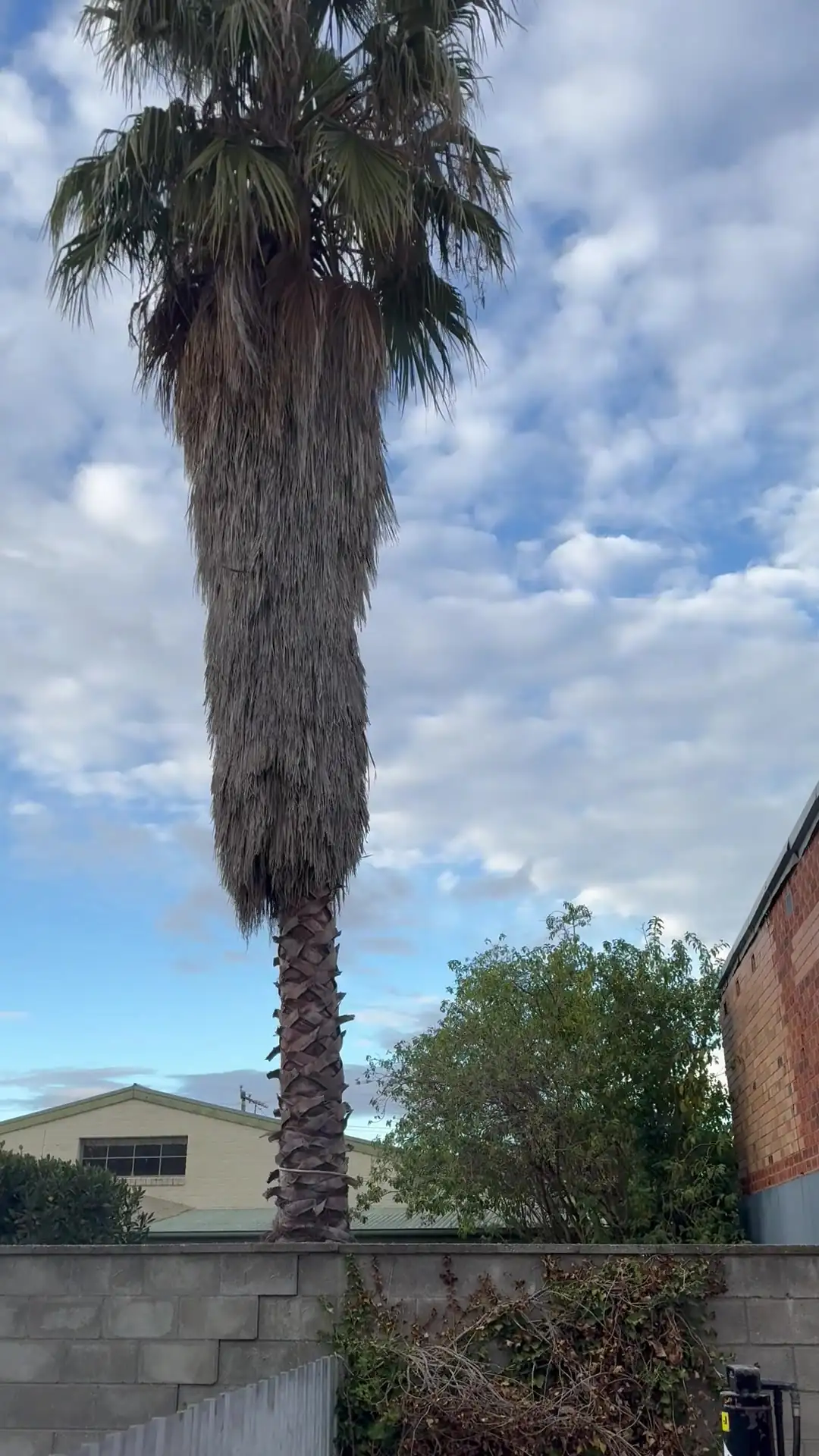
What to do with dead palm fronds
Dead palm fronds should come off once they are fully brown, and the heap should go to green waste, not onto a bonfire or into the bush. Anything still green or half green stays on the palm. If the palm is tall, the cutting is a job for a qualified arborist.
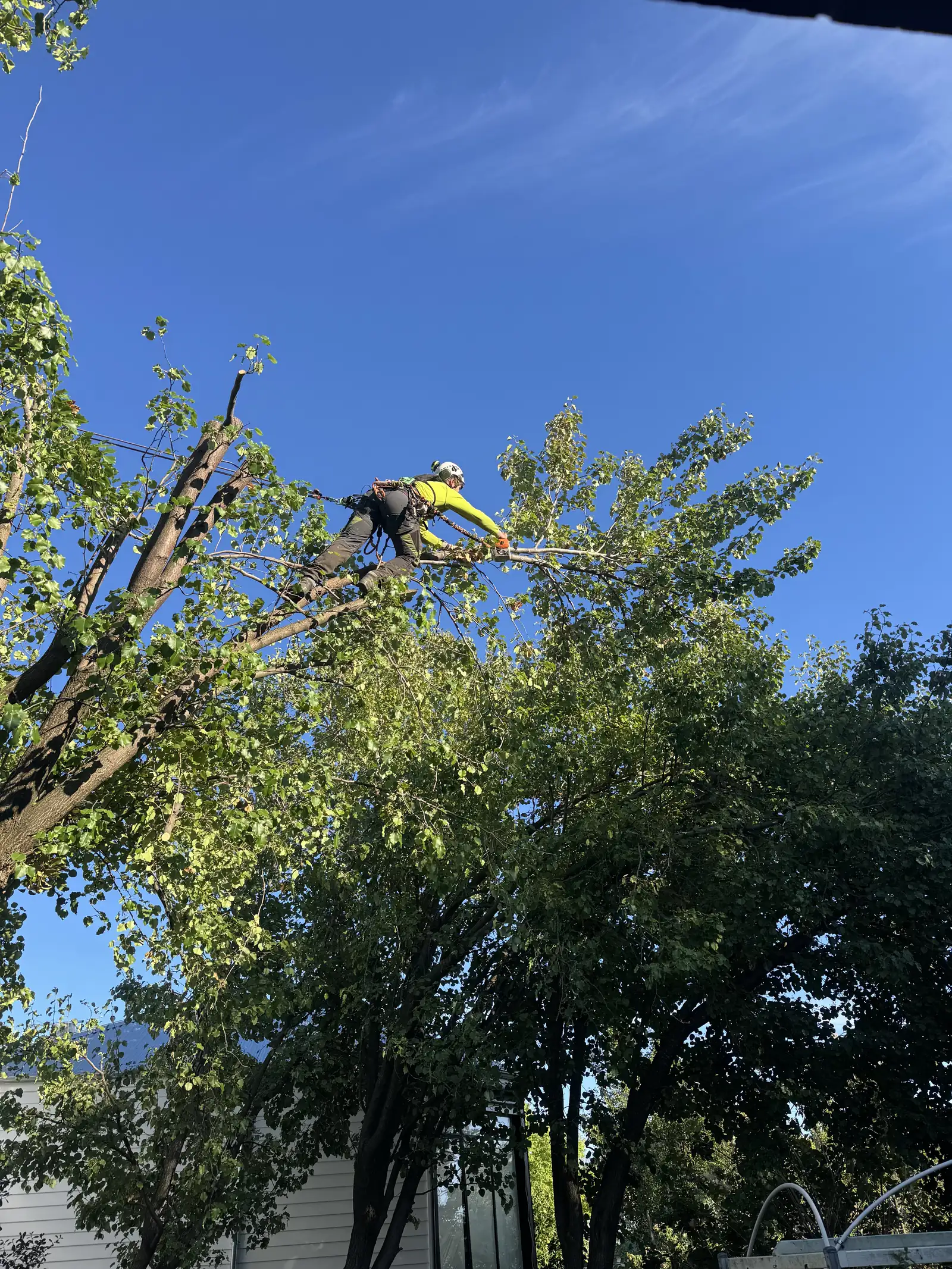
The common mistakes when pruning a tree, and how to avoid them
The common mistakes when pruning come down to a short list: taking too much, cutting the wrong way, cutting in the wrong place and cutting at the wrong time. Each one leaves a tree weaker than it was before the saw came out.
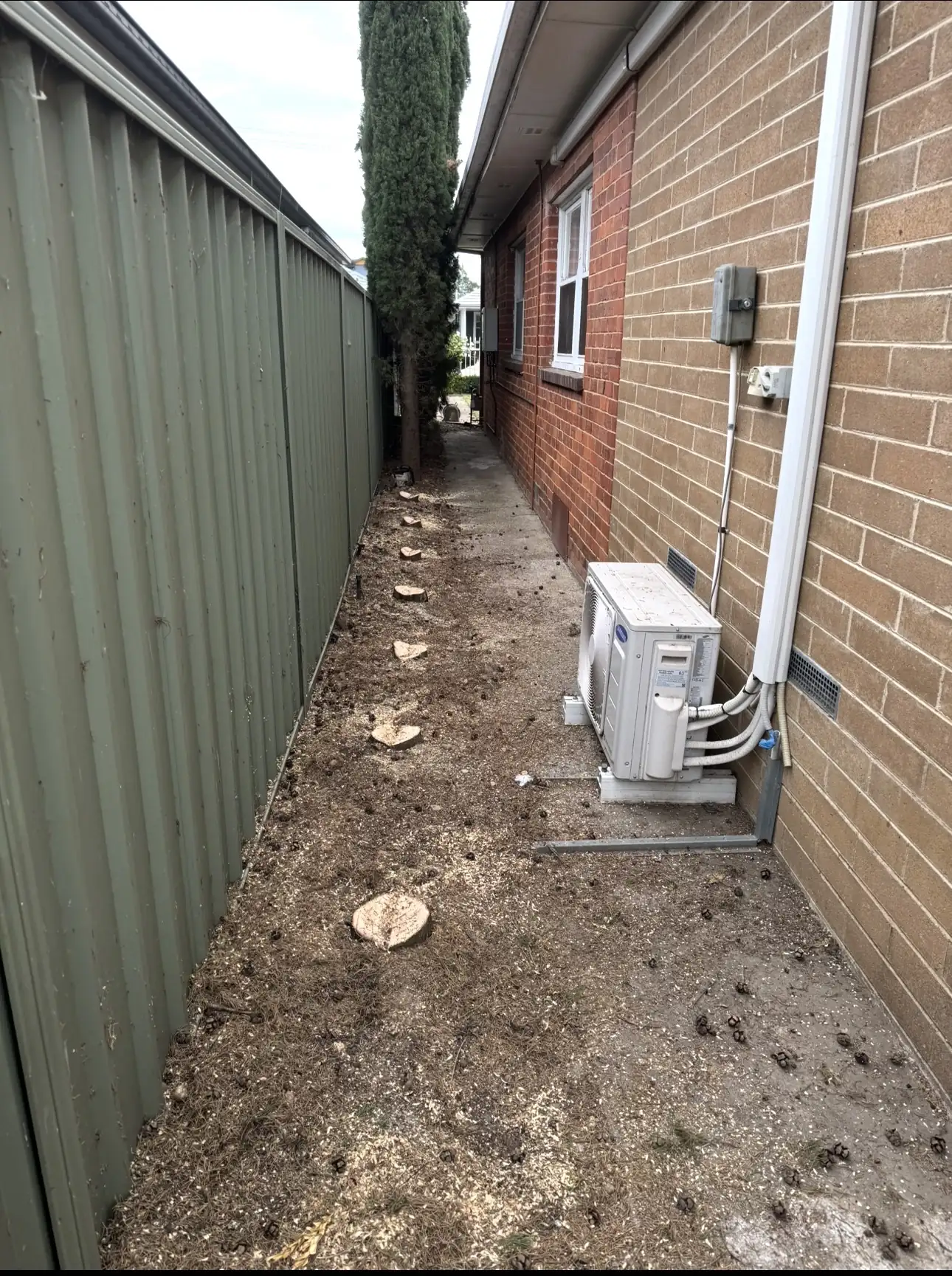
Stump grinding vs removal: which one fits your yard?
Stump grinding vs removal comes down to one question: what should that patch of ground do next? Grinding takes the stump down below the surface and leaves most of the roots to rot away. Removal means digging or pulling the stump and its main roots out whole.
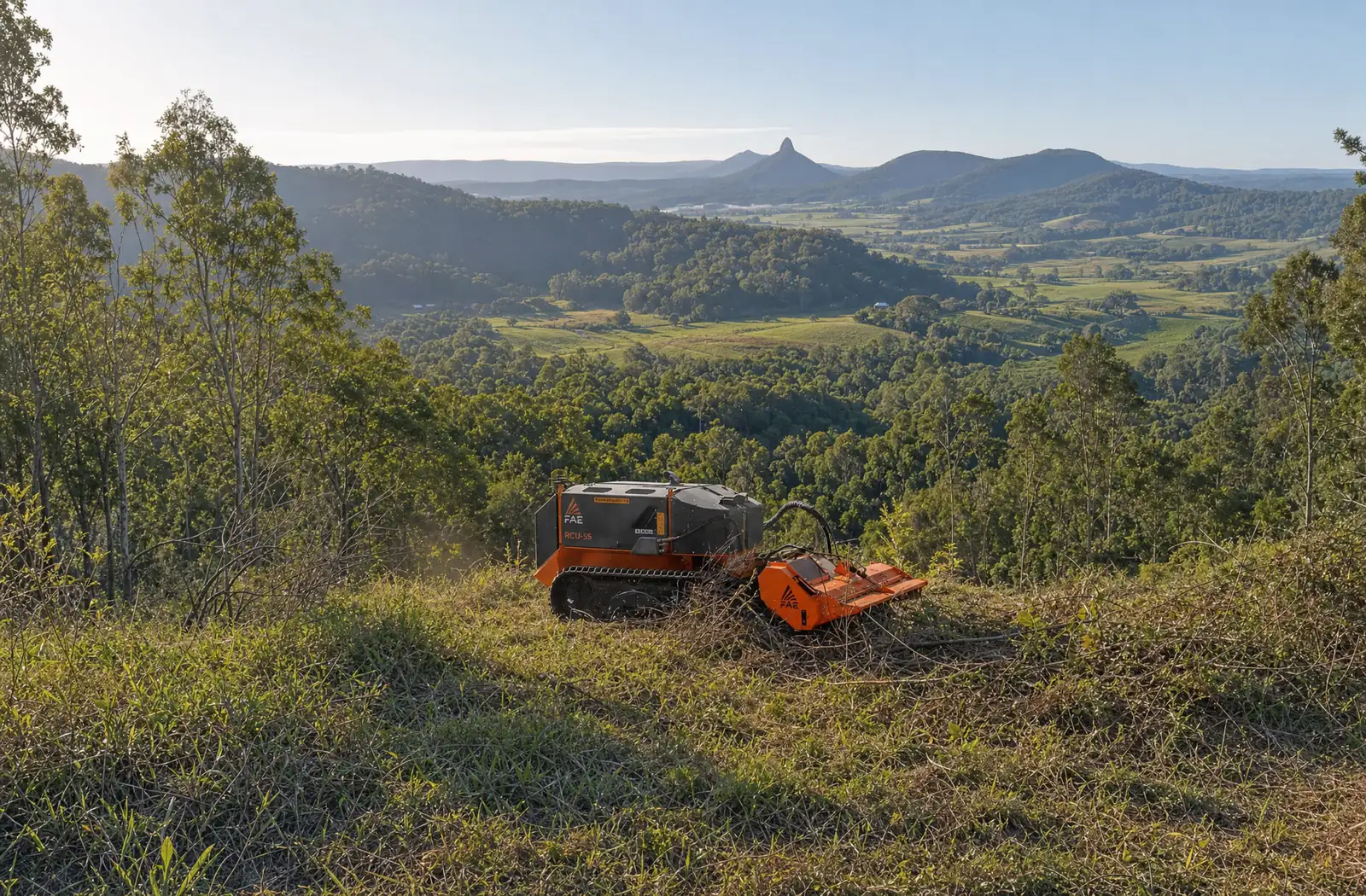
What is land clearing, and what does a job involve?
What is land clearing? It is the job of taking trees, scrub and regrowth off a block so the land can be built on, fenced, farmed or simply used. Block clearing means exactly the same thing.
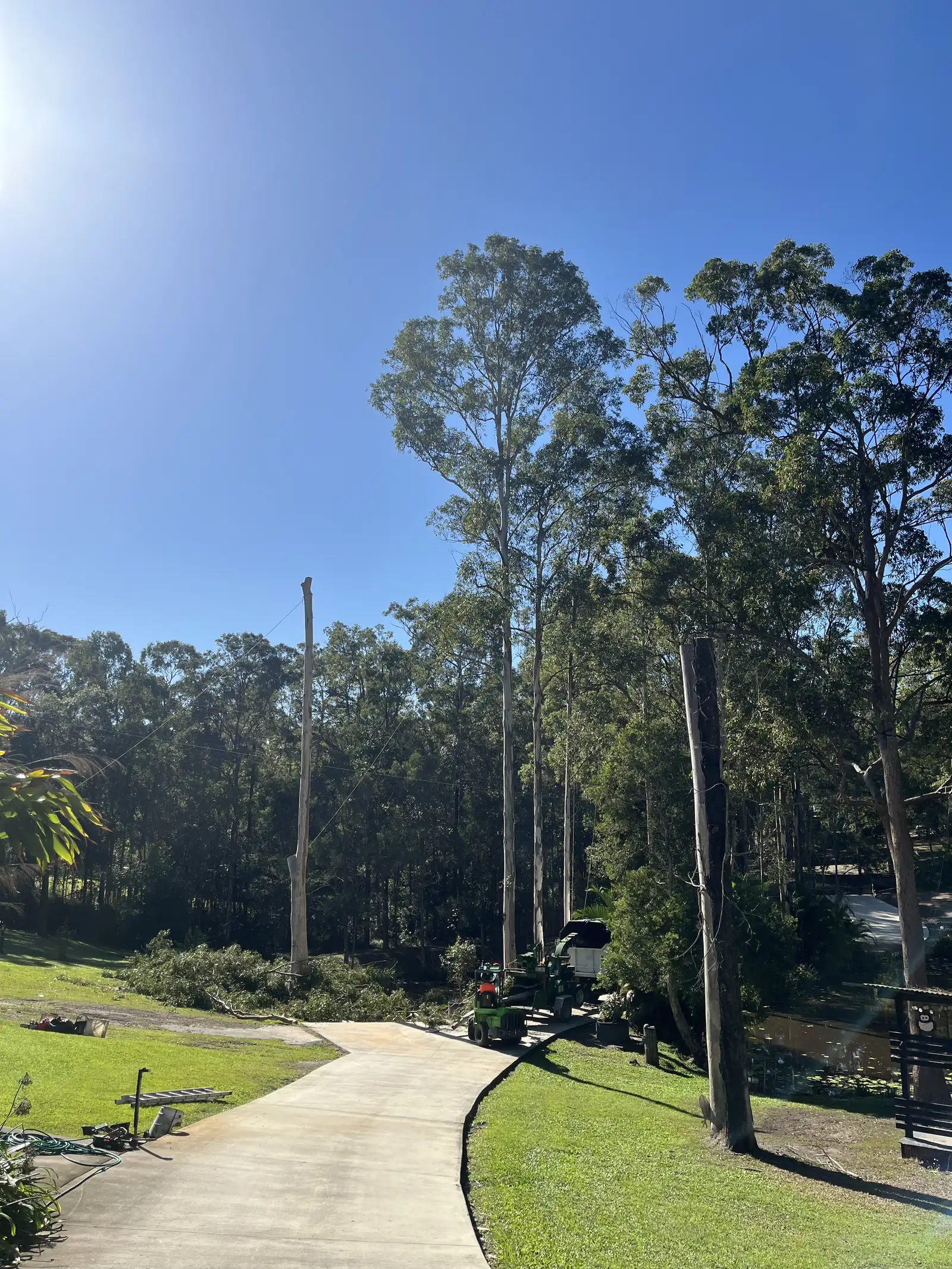
Vegetation management property owners should plan for
For most owners, vegetation management property work comes down to one aim: keep the undergrowth, weeds and regrowth under control while the trees you value stay standing. It is care for the ground, and it is rarely a single visit.
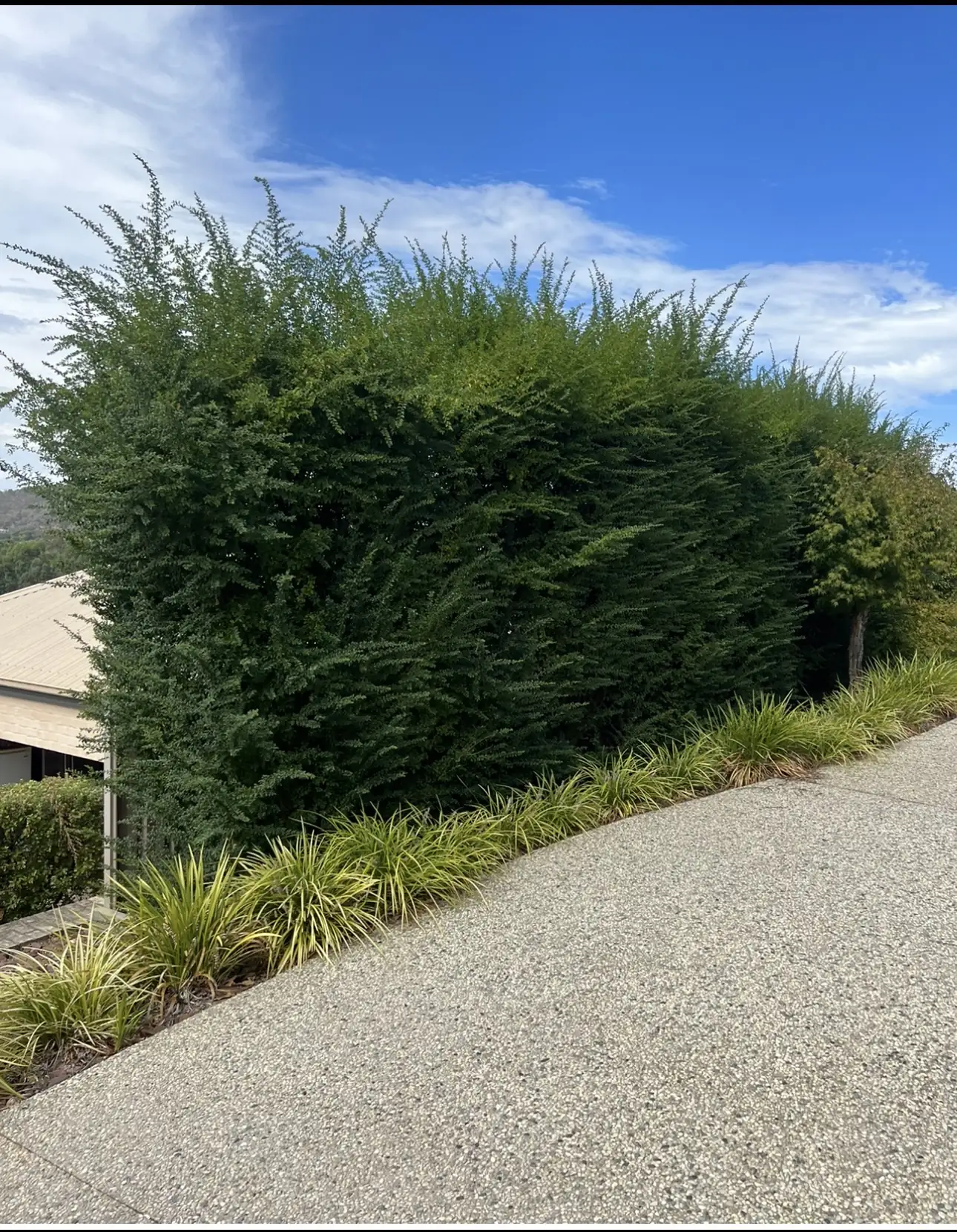
How often to trim a hedge so it stays thick
How often to trim a hedge depends on its age and its type. Most healthy hedges look and grow best with a light trim every three to six months, and a slow grower can manage on two trims a year.
Hollow bearing trees and why they matter
Hollow bearing trees are trees with holes or cavities in the trunk or limbs that native animals use as homes. They matter because a hollow takes a very long time to form, and when the tree goes, the home goes with it.
What is tree cabling and bracing, and which trees suit it?
What is tree cabling and bracing? It is a support fitted high in the crown of a tree, linking limbs or stems that are at risk of splitting apart. The support shares the load, so a tree with one weak spot can often be kept instead of removed.
What is a hazard tree, and is one standing in your yard?
What is a hazard tree? It is a tree with a weak point and something valuable under it. The weak point might be dead wood, a crack, rot or a lean. The valuable thing might be a roof, a car, a path or a person. Remove either one and the hazard goes.
How often to trim a palm tree, and what to leave alone
How often to trim a palm tree depends on what you mean by trim. The palm itself needs very little: dead fronds and spent seed pods, taken off when they are ready. A yard with a palm over a pool, a path or a car often wants a clean-up every three to six months.
How long does tree removal take on a real job?
How long does tree removal take? A small tree with room around it can come down in a morning. A tall tree in a tight yard can run over more than one day. The tree is only part of the answer, because access, weather, wildlife and council checks all move the clock.
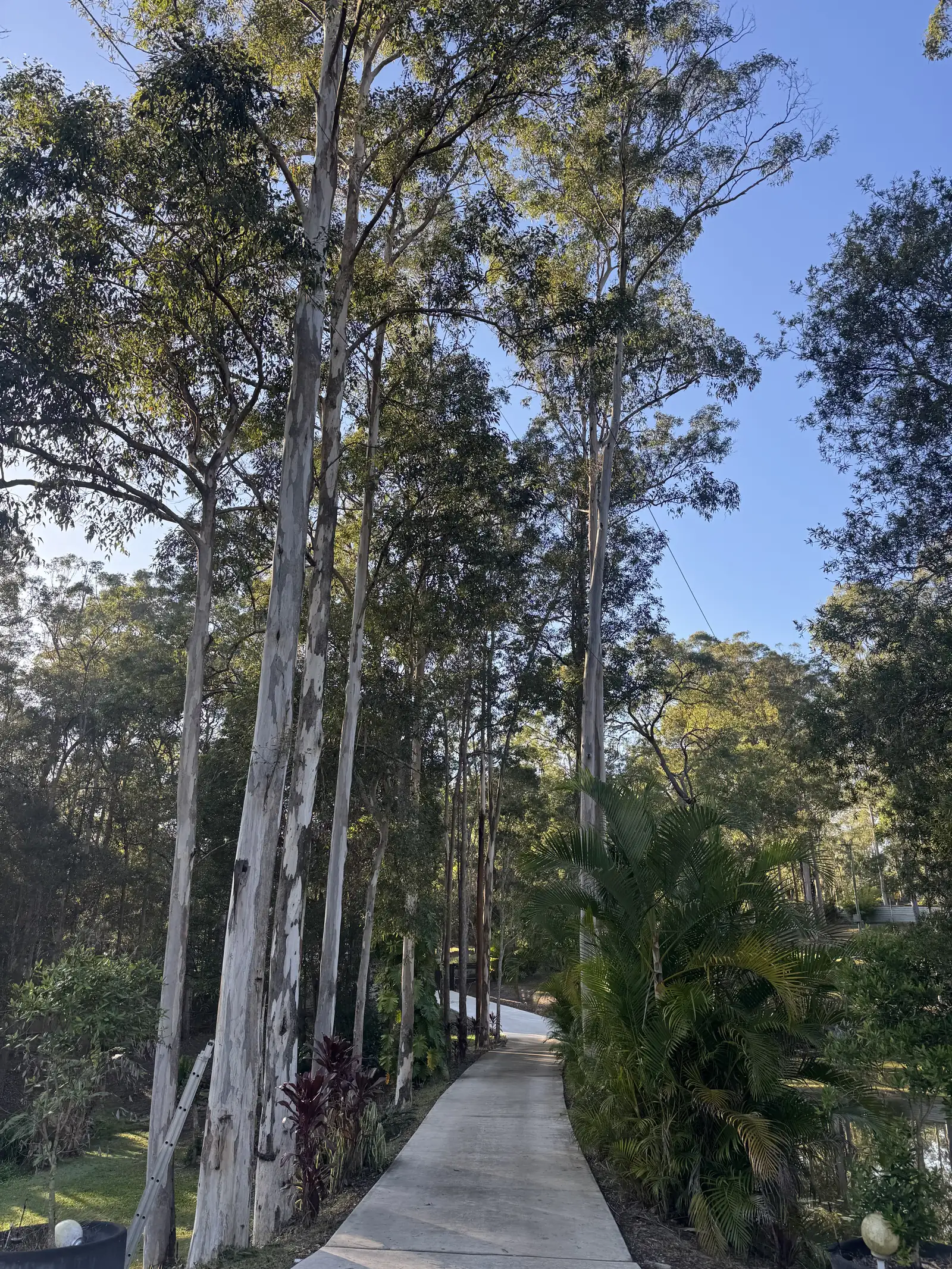
Tree removal cost: what affects the price
Tree removal cost is never one number. It depends on the tree, the access, what sits underneath it and the equipment needed to take it down safely. Two trees that look the same from the street can need very different jobs.
Get a free quote
Tell Drew what needs doing and where. Send a message and he will get back to you with a free on-site quote. Our team gets everything sorted from there.