Careful arborist tree pruning that starts by reading your tree
Arborist tree pruning is pruning planned by someone trained to read how a tree grows, fails and heals. Drew inspects yours, explains what he sees, then gives a free quote while he is there.
- 20 years' experience
- Cert III qualified arborist
- Free on-site quotes
Great price amazing service. The boys came out on 24hr notice after hours to help me with a cracked branch that was overhanging my house. They worked very quick and efficiently and great to deal with. Thanks for the good work
The Boys did a job for my parents cutting down a Gum and a Palm Tree and did a great job. Happy to recommend.
They were very prompt and professional the guys were all friendly the job was done with ease and they cleaned up afterwards, I thought it was value for my money I am very happy with this experience thank you so much Guys
20years' experience
Arborist tree pruning done by someone trained to read trees.
Real arborist tree pruning begins with a long look, and the saw is the last tool out.
A tree is a living structure, and it answers every cut you give it. At Arbor Concept, Drew studies the trunk, the forks and the spread of the crown before any decision is made. That habit is what separates arborist tree pruning from a tidy-up with a saw.
Drew trained to Cert III level, and 20 years on the tools back his judgement. When the plan is settled, our team takes over, by rope or by spider lift, and the grounds are left in good order.
Rated 5 out of 5 stars based on 34 customer reviews on Google
Quick reply and quick and accurate work done, everything is perfect. Highly recommend. Thanks to drew and his team.
Fast no fuss service at an affordable price. Many thanks Drew.
Drews quick response and booking was fantastic. Lads were on time and great to deal with, very knowledgeable on the tree trimming and lopping safety all the way and cleaned up their mess to boot. 5-star rating for a reason
Drew and his team are very efficient and professional, taking care not to damage any property. They clean up the area once finished. They’re also polite and courteous! I highly recommend these guys for any arborist job.
Had Drew here for my palm trees. I can’t recommend him highly enough. Great job and great price and really nice guy. I’ll be having him back.
Drew was fantastic. Responsive, efficient, knowledgeable and accommodating. Will definitely be calling on Drew and his team again.
Why arborist tree pruning gives better results.
Anyone can cut a branch. Knowing which branch to cut, and where, is the skill. That is what you pay for when an arborist does the pruning, and it shows in how the tree looks and behaves for years afterwards.
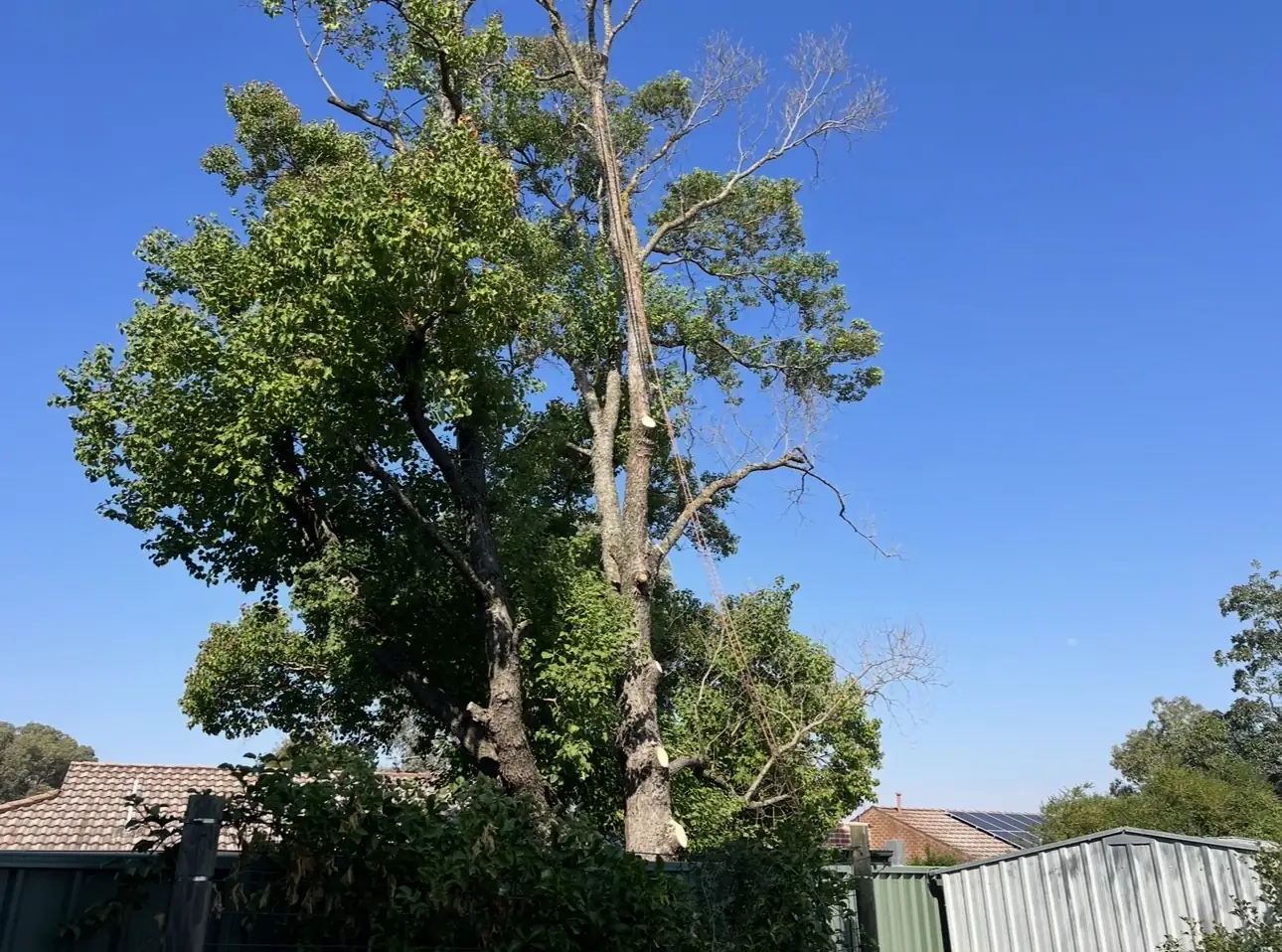
Structure first: Forks, leaders and the way weight is carried are read first, since they decide what the tree can safely lose.
Regrowth planned: A trained eye knows where a cut will send new shoots, and plans the work so that regrowth stays manageable.
Risk weighed: Cracks, decay and lean are checked, which means you learn about hidden faults before a limb comes down.
The method matches the tree: Climbing, a lift or a crane is chosen after the inspection, never before it.
34Google reviews
A closer look at arborist tree pruning, one topic at a time.
The sections below follow the thinking of an arborist, from the first glance up the trunk to the final cut. For the overall service, start at our [tree pruning page](/services/tree-pruning/).
How arborist tree pruning differs from a general cut-back.
A general cut-back follows what is easy to reach or looks untidy. Arborist tree pruning follows the tree itself. Each limb is judged by its health, its angle and its job in the crown. Some come off, many stay, and a few are only shortened. The result is a tree that keeps its character and its strength, with fewer surprises at the next storm.
- Choices made from the tree's health, not from convenience
- Limbs shortened, thinned or left, case by case
- Natural form kept so the tree stays balanced
- A short list of reasons you can ask about
What gets read in the tree before arborist tree pruning begins.
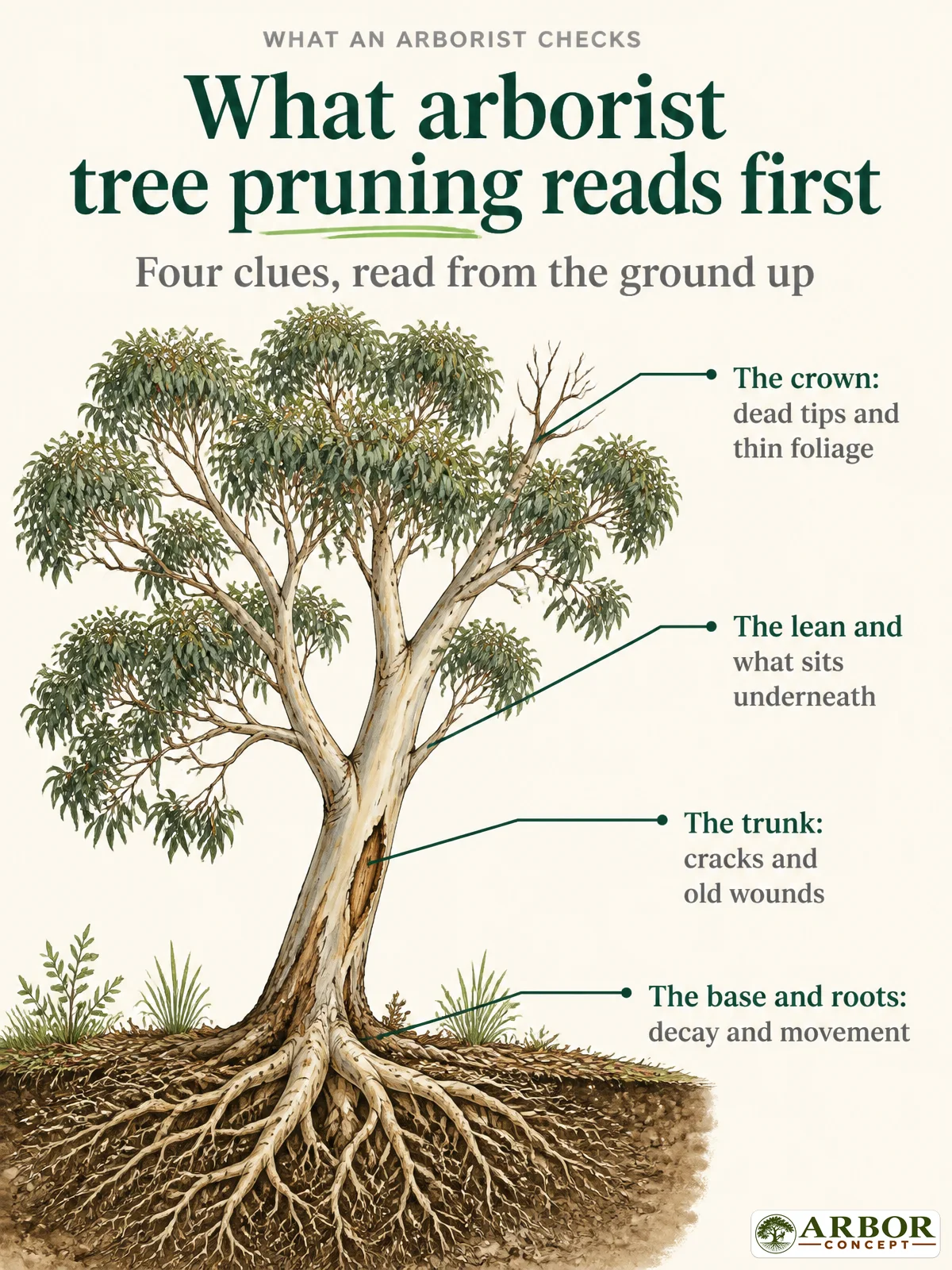
The first thing Drew checks is the foot of the tree, where fungus or heaved soil can show trouble. Then he moves up the trunk for cracks and old wounds, and on to the crown for dead tips and thin foliage. He notes how the tree leans and what sits under it. These clues decide how much the tree can lose. They also tell him if pruning is the right answer at all.
- The base and roots checked for decay and movement
- The trunk checked for cracks, cavities and old wounds
- The crown checked for dead tips and thin foliage
- The lean and the targets underneath noted
Where arborist tree pruning cuts and why it matters.
Trees do not heal wounds the way skin does. They wall them off, and that wall grows outward from the branch collar, the raised ring at a limb's base. Arborist tree pruning places each cut just beyond the collar, at a slight angle, so water runs off and the wall can close. Cut too far out and a stub rots. Cut too close and the collar is lost.
- Cut placed just beyond the branch collar
- A slight angle so water drains from the wound
- Never a stub, never a flush cut
- Wound paint left out, as the tree manages best alone
The kinds of arborist tree pruning and what each one does.
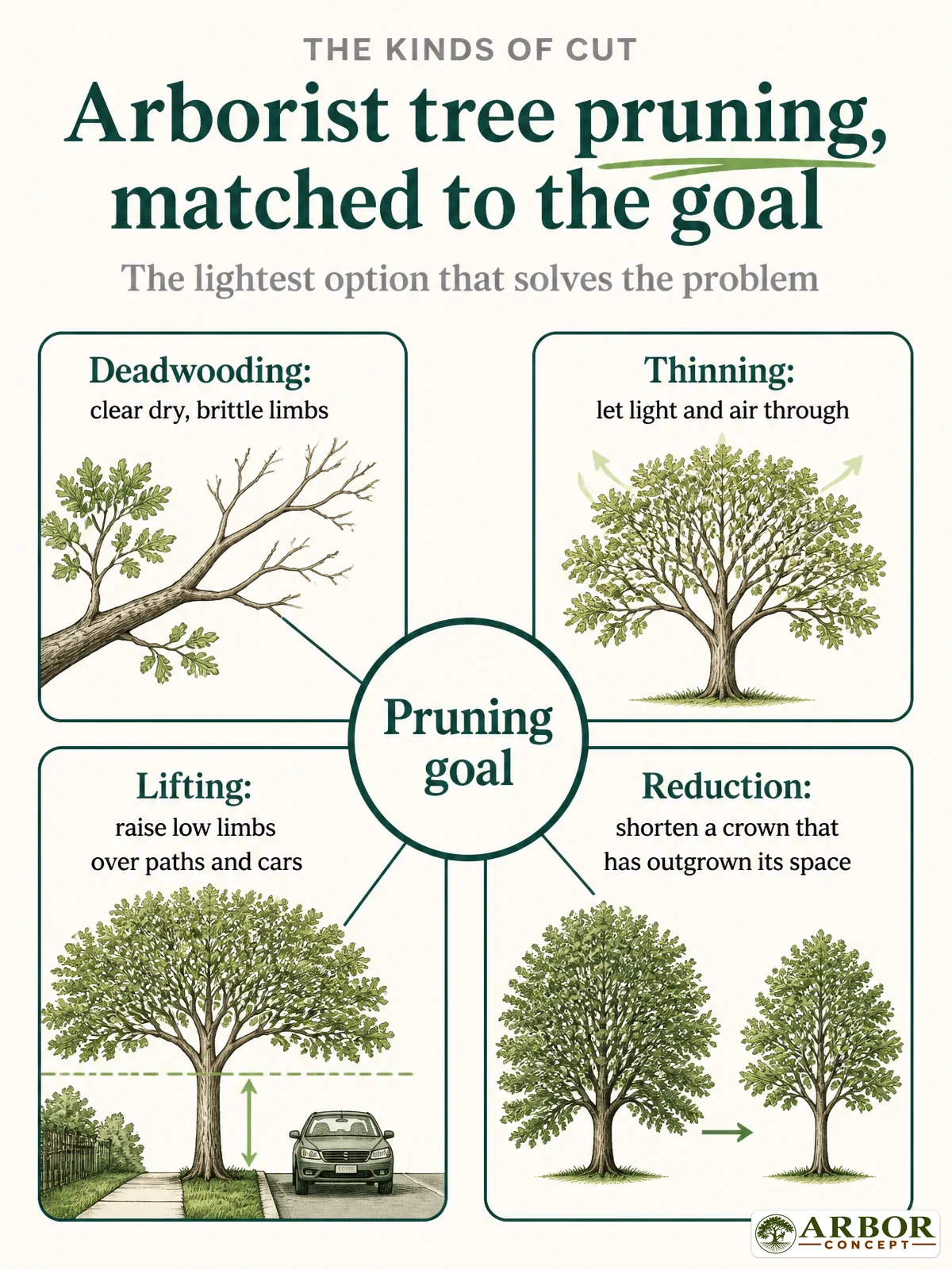
Different goals call for different cuts. Deadwooding removes what is dead. Thinning opens a dense crown to light and wind. Lifting raises the lowest limbs for clearance. Reduction shortens a crown that has outgrown its space. An arborist picks the lightest option that solves the problem, and sometimes a mix. For crowns on the largest trees, see large tree pruning.
- Deadwooding to clear dry, brittle limbs
- Thinning to let light and air through a dense crown
- Lifting to raise low limbs over paths and cars
- Reduction to shorten a crown that has outgrown its space
How we reach the crown for arborist tree pruning.
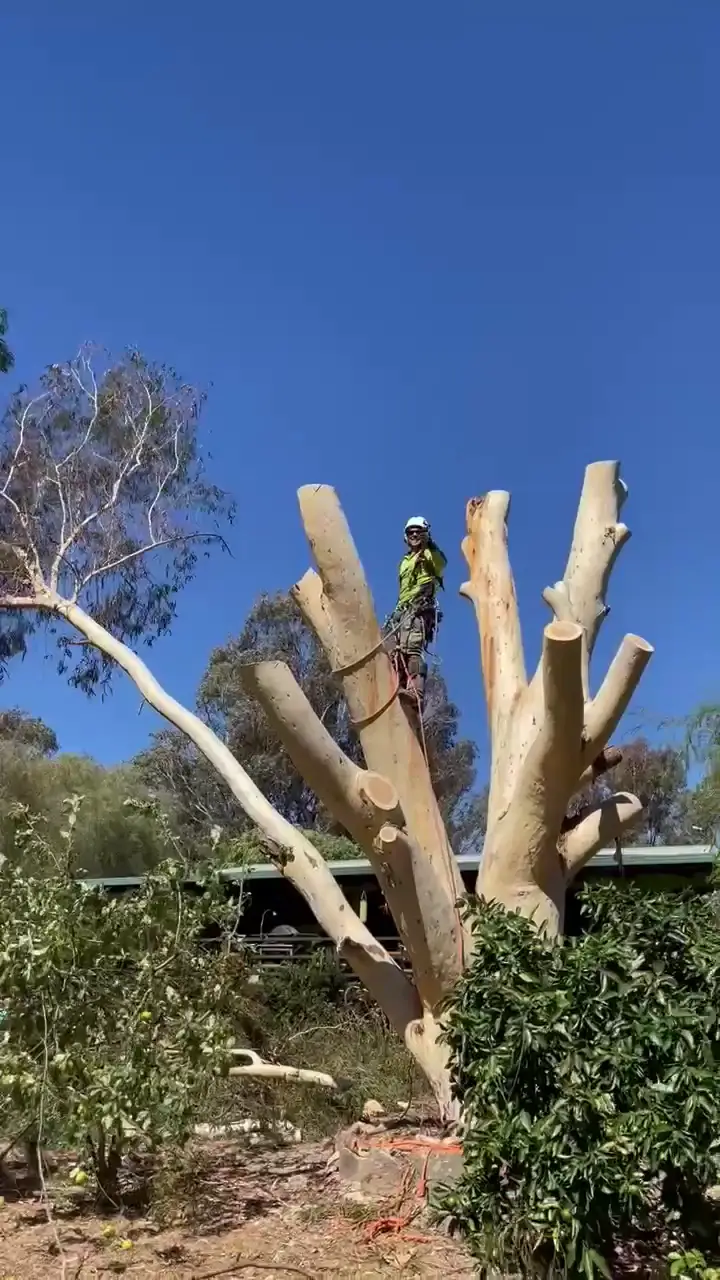
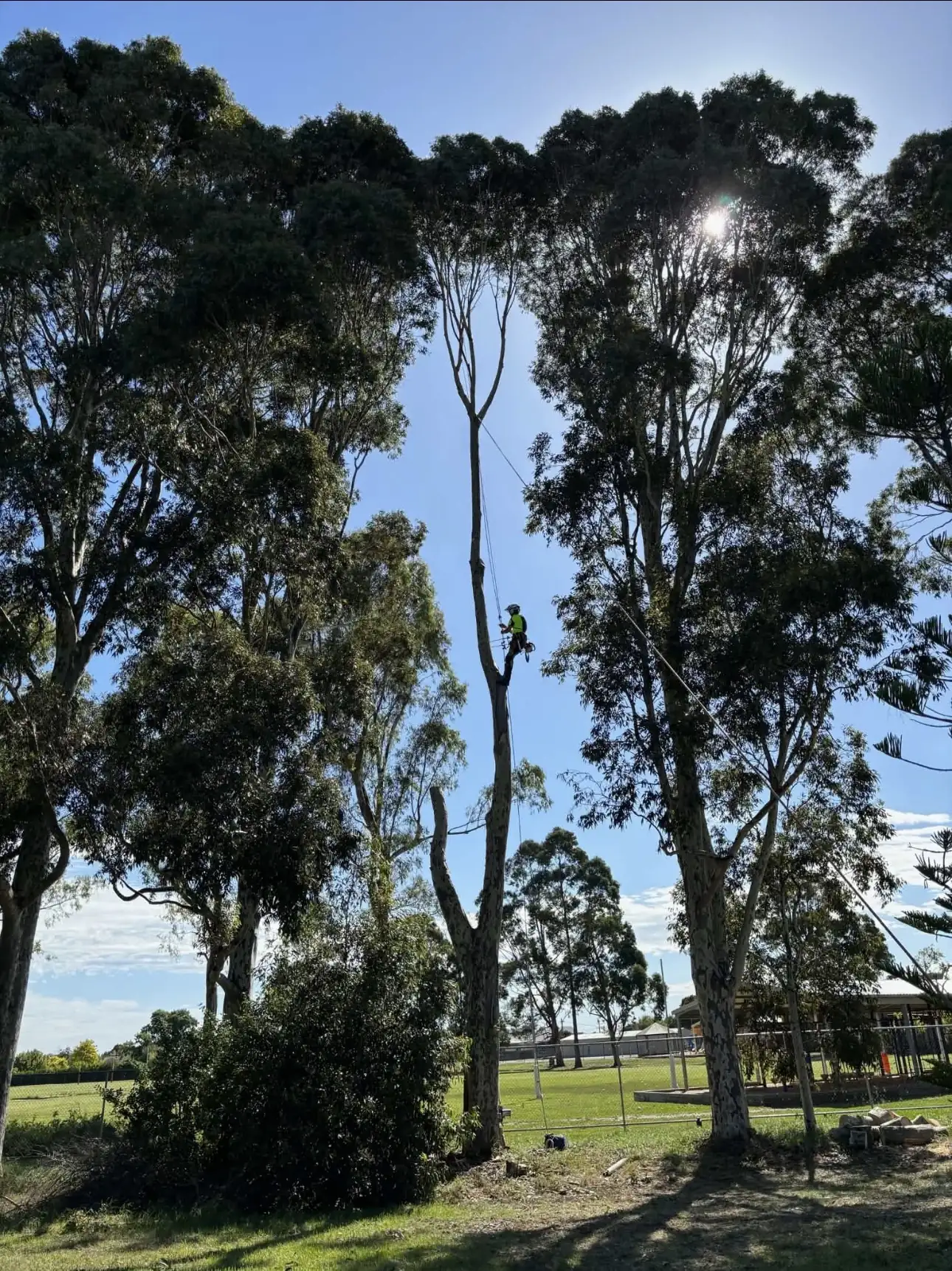
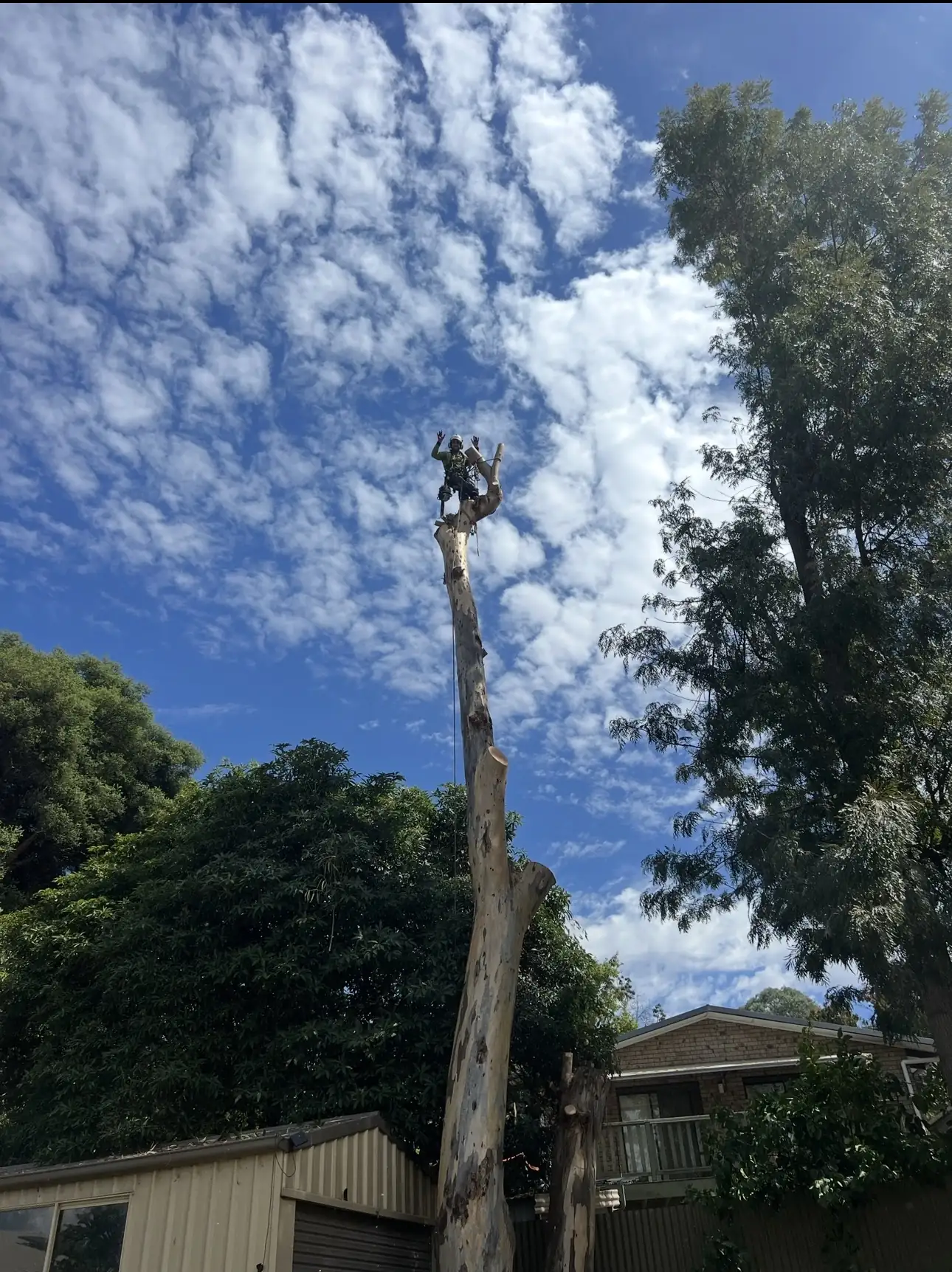
Getting aloft is part of the craft. A climber on rope can move through the crown, place cuts exactly and lower each piece, all with little impact on the ground below. A fragile tree is never climbed, and a spider lift does the reaching instead. Drew chooses the way in once he has read the tree, and he tells you which it will be.
- Rope and harness for precise work inside the crown
- A spider lift for weak, brittle or very tall trees
- A crane held back for the heaviest limbs
- Pieces lowered on lines, never thrown
When arborist tree pruning is needed rather than a gardener.
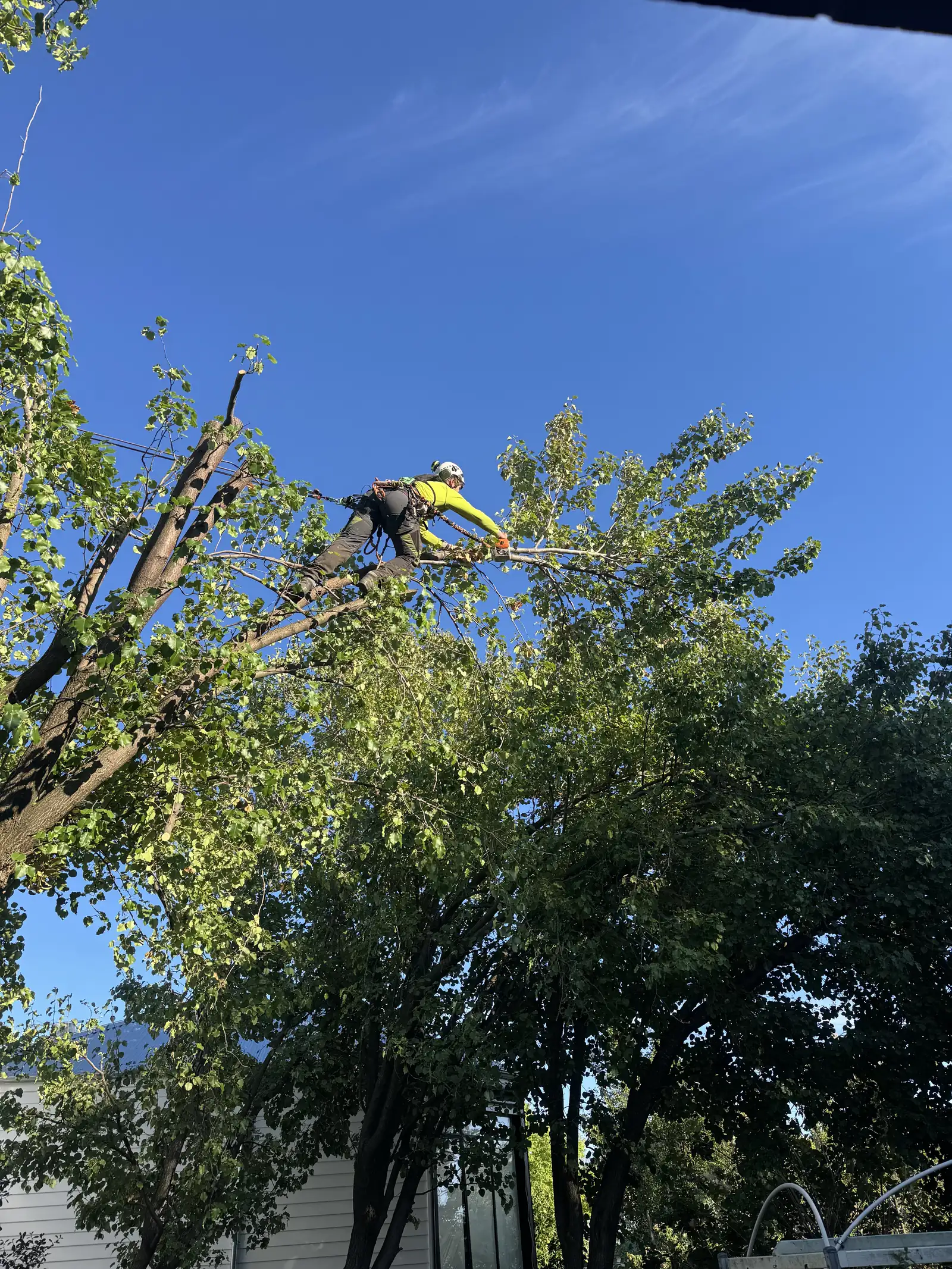
A gardener is a good choice for shrubs, hedges and low fruit trees you can reach from the ground. Call an arborist when the work is above head height, near wires or a roof, or on a tree that is large, old or unwell. Heights, weights and tree biology all matter there. Where a branch is the only issue, tree branch removal may be all you need.
- Work above head height or off a ladder
- Limbs near roofs, wires or fences
- Large, old or declining trees
- Any job where a wrong cut could harm the tree
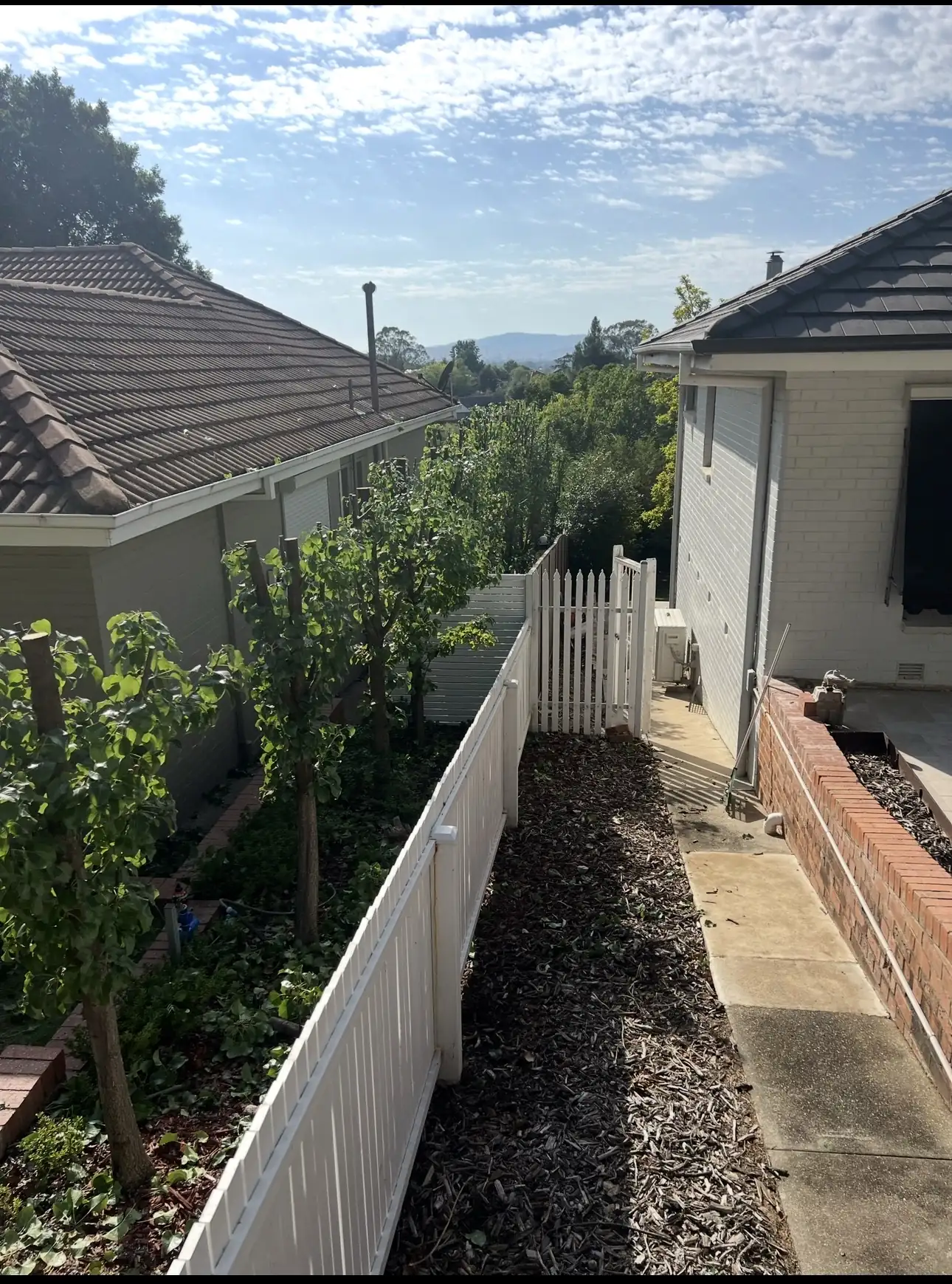
When arborist tree pruning says leave the tree alone.
Good advice sometimes means doing less. A healthy tree with no clear problem often does best untouched, and every cut is a wound. Should your tree need nothing, or only a little, Drew will tell you. If it is declining or unsafe past what pruning can fix, he will say that too, and explain when tree removal is the honest answer.
- Healthy trees left to grow as they are
- Small jobs kept small
- Past-saving trees named as such, with reasons
- No job pushed just to fill the day
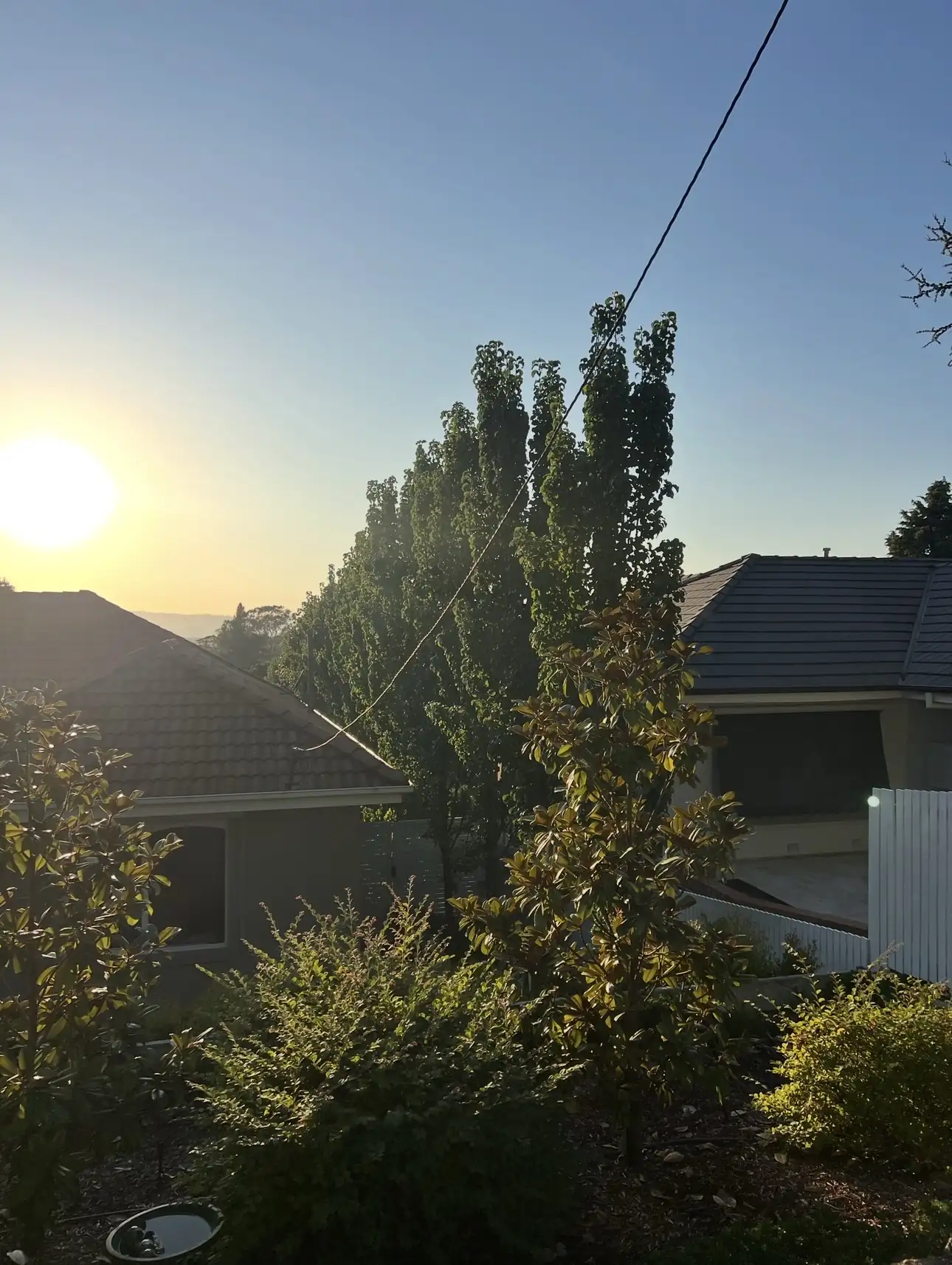
How to choose a provider of arborist tree pruning.
Ask what the person is trained in, whether they will inspect first and how they will take the weight off each limb. A real arborist answers without fuss. Drew is Cert III qualified and carries public liability cover. If you want more on how a business should behave, read about professional tree pruning, and see our tree pruning service overall.
- A recognised trade qualification, asked for by name
- A visit before a figure is given
- A plain account of how each cut will be made
- Cover in place for the job
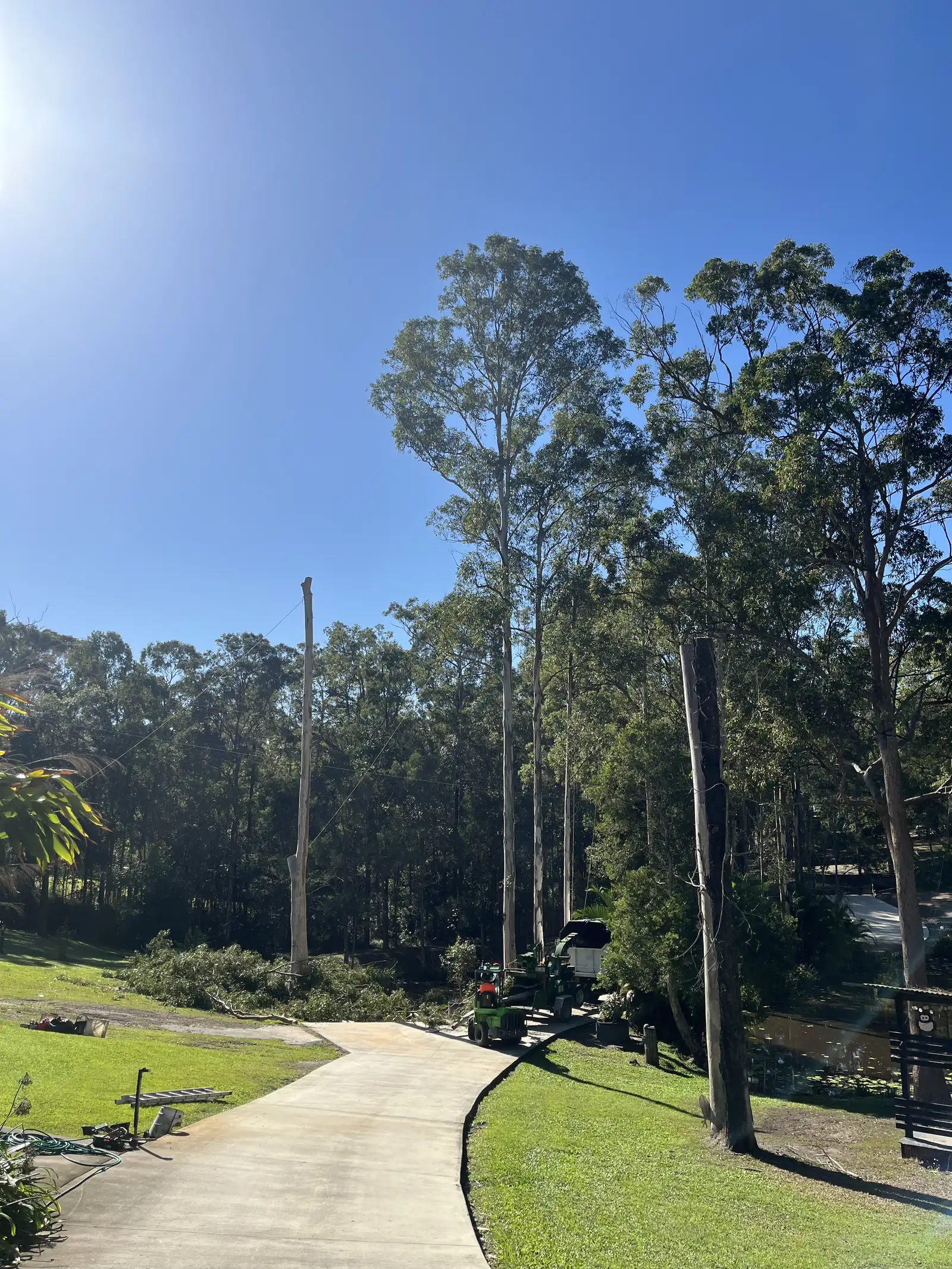
The arborist tree pruning jobs we are asked about most.
Most calls start with a worry about one tree. Some are routine and some are urgent. Whichever it is, arborist tree pruning means you get a clear reading of the tree and a plan that fits it.
A crowded, heavy crown
Dense growth is thinned so light and wind pass through and the load on the limbs eases.
Dead tips and dry wood
Brittle growth is removed cleanly, so the tree is safer underneath and looks better too.
A weak fork
Two stems of similar size joined tightly are assessed, and the heavier one is lightened if that helps.
A tree over the house
Limbs above the roof are shortened back to sound wood so that debris and risk both fall.
Clearance for a path or vehicle
Low branches are raised to a clean height without leaving the tree lopsided.
A tree that looks unwell
Thin leaves, dieback or fungus prompt an inspection so you know what is going on.
Equipment that lets an arborist work gently and exactly.
Climbing system
Ropes, a harness and a good anchor point let the climber move around the crown and place every cut with care.
Spider lift
This tracked lift squeezes through narrow gaps and its boom reaches 27 m and higher, so delicate trees are left unclimbed.
Crane
When a limb is too heavy to lower on a line, a crane carries its weight until the cut is done.
18-inch chipper
Leaf and slender twigs are chipped on the spot, which leaves very little to carry away.
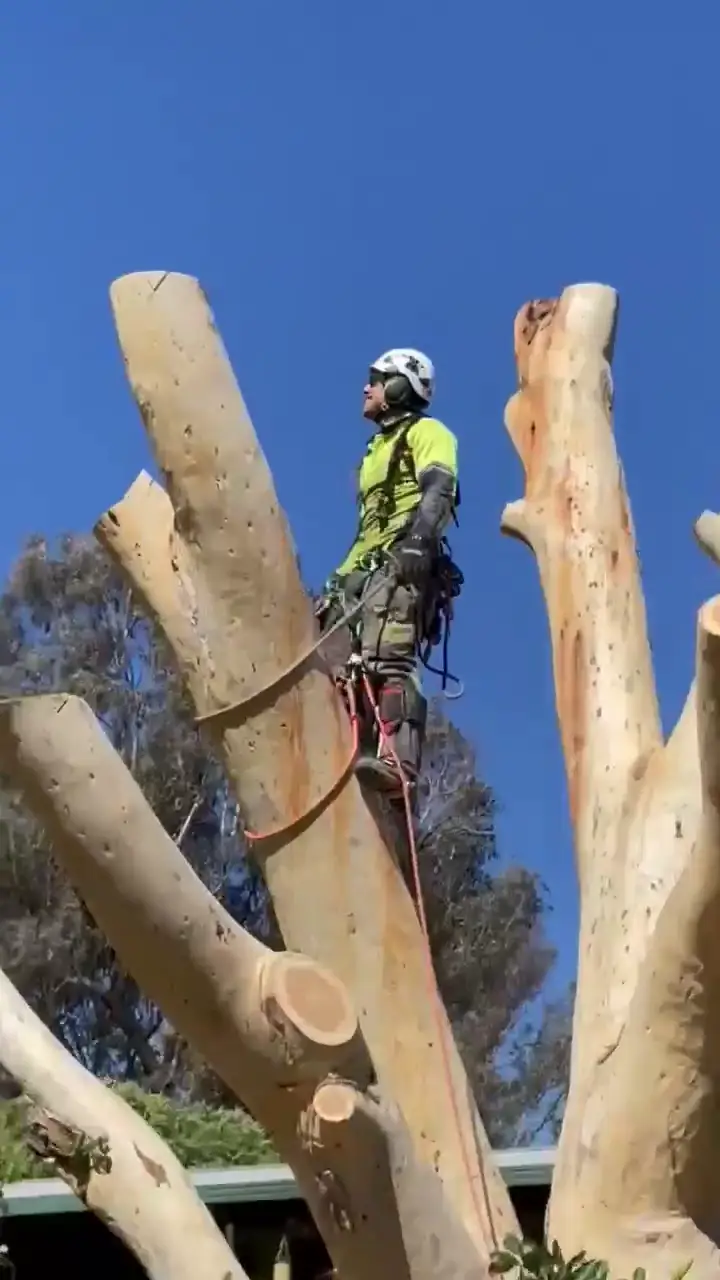
Straight answers, given before the saw starts.
Urgent arborist tree pruning after storms and cracks.
Wind can leave a tree with torn bark, a split fork or a limb dangling in the crown. These are the times when a trained assessment matters most, because the damage you can see is often less than the damage you cannot. Stay back, and tell Drew what the tree has done and what lies beneath it.
- A cracked fork is assessed before anyone goes near it
- Hanging limbs are cut away so the tree can be made safe
- A tree that has shifted at the base is flagged, not just trimmed
Get in touch through the contact page.
Taking care of the ground, the garden and the neighbours.
What becomes of the cuttings after arborist tree pruning.
Pruning produces leaf, twig and timber. You choose what happens to each of them. It is just the clean-up after the work and never a separate service.
Chipped and taken off site
Logged and stacked for burning at home
Mulch left on garden beds if you would like it
Good straight lengths kept aside for timber
Preparing your yard for arborist tree pruning.
- 1
Clear vehicles, furniture and play items from the area under the tree.
- 2
Make a note of any limb that worries you, so Drew can look at it first.
- 3
Keep animals indoors on the day, and let family know the work is on.
- 4
Mention any wires, pipes or old wounds you know of when you book.
Does arborist tree pruning need council permission?
It might. Rules vary by council and by tree, and they get updated, so check with yours before any work. Cutting a protected tree without approval can mean a penalty.
Drew will go through what may apply to your tree before a cut is made. Tell him about the tree and where it stands on your block when you first get in touch.
Our trees, pruned with thought.
Questions about arborist tree pruning.
What is arborist tree pruning?
This is pruning designed and performed by a trained arborist, after a close reading of the tree. Cuts are chosen for the tree's health, structure and safety, and each one has a reason you can ask about.
How is arborist tree pruning different from ordinary trimming?
Ordinary trimming often follows what looks untidy. Arborist tree pruning follows how the tree grows and heals, so cuts go in the right place and the tree stays strong and balanced.
What qualifications should an arborist have?
Look for a recognised trade qualification, for example a Cert III in arboriculture, and ask about public liability cover. Drew holds that Cert III, backed by twenty years among trees.
Can arborist tree pruning save a damaged tree?
Sometimes. Removing broken limbs and lightening a weak side can give a tree the chance to recover. Drew inspects first and tells you honestly if the damage is too deep for pruning to help.
Will you tell me if my tree should be left alone?
Yes. A healthy tree often needs nothing, and every cut is a wound. If that is the case with yours, Drew says so, even though it means no work for us.
How do you reach tall branches?
A climber on rope reaches most crowns. For tall or fragile trees, a spider lift with a boom reaching 27 m and higher does the work, and a crane handles the very heavy limbs.
Do I need to be home for arborist tree pruning?
It helps for the first visit, when Drew shows you what he sees. On the day itself you do not have to be there, as long as access is clear and the plan has been agreed.
Does arborist tree pruning need council approval?
Whether you need it varies with the tree and the council area, and the rules are amended often. Several species are protected. Speak to the council before cutting, and Drew can explain what could be involved.
What happens to the branches afterwards?
Small material goes through our 18-inch chipper and leaves with us. If you prefer, larger pieces can be cut for firewood and the chips can stay on your garden as mulch.
Meet Drew, the arborist behind arborist tree pruning here.
Drew started his career in tree work and has stayed in it for twenty years, adding a Cert III along the way. He answers your call, inspects the tree and prices the work, and the visit costs you nothing.
Our team does the physical work. Where the best answer for your tree is to do less, Drew will say that, even if the job is lost.
How we work, from the first question to the final tidy.
- 1
Make contact
Tell us about the tree and what concerns you. You reach the arborist directly, and there is no call centre in between.
- 2
Free quote
After looking at the tree, Drew sets a price. It follows one method for every customer, and it is never worked out from photos.
- 3
Inspection and plan
Drew reads the tree, checks access and agrees the plan with you. A half payment reserves the day, and the remainder falls due when the work ends.
- 4
The pruning
Our team carries out the plan, guards the surroundings and leaves the site in order.
Foliage is chipped, heavier timber goes where you decided, and the ground is swept before our team packs up.
Ready for arborist tree pruning?
Tell us about the tree and what is troubling you. Drew visits and gives you a price on the spot without a fee, and our team carries the job from there.