A tree lopping service that cuts back to the right point, and says when not to
Tree lopping from a qualified arborist who tells you plainly what it will do to your tree. Drew comes to see the tree, gives honest advice and hands you a free on-site quote.
- 20 years' experience
- Cert III qualified arborist
- Free on-site quotes
Excellent service and great people, would definitely recommend these guys to everyone 👌
Did a fantastic job with a very difficult tree removal. Can not recommend highly enough . Great service and great price.
Drew and his team are professional in all aspects their business. We have used them from pruning, maintenance and emergency tree removal. I find them reliable, knowledgeable, helpful and thorough. Highly recommended. Maz Ashlarstays
20years' experience
Honest tree lopping that leaves the tree sound.
Good tree lopping means cutting back to a point that makes sense, and you hear the reason first.
Our customers run from householders and farmers to schools and builders, and all of them have a branch somewhere that is in the wrong place. Drew studies the whole tree, then tells you what lopping will do, good and bad, before a day is booked.
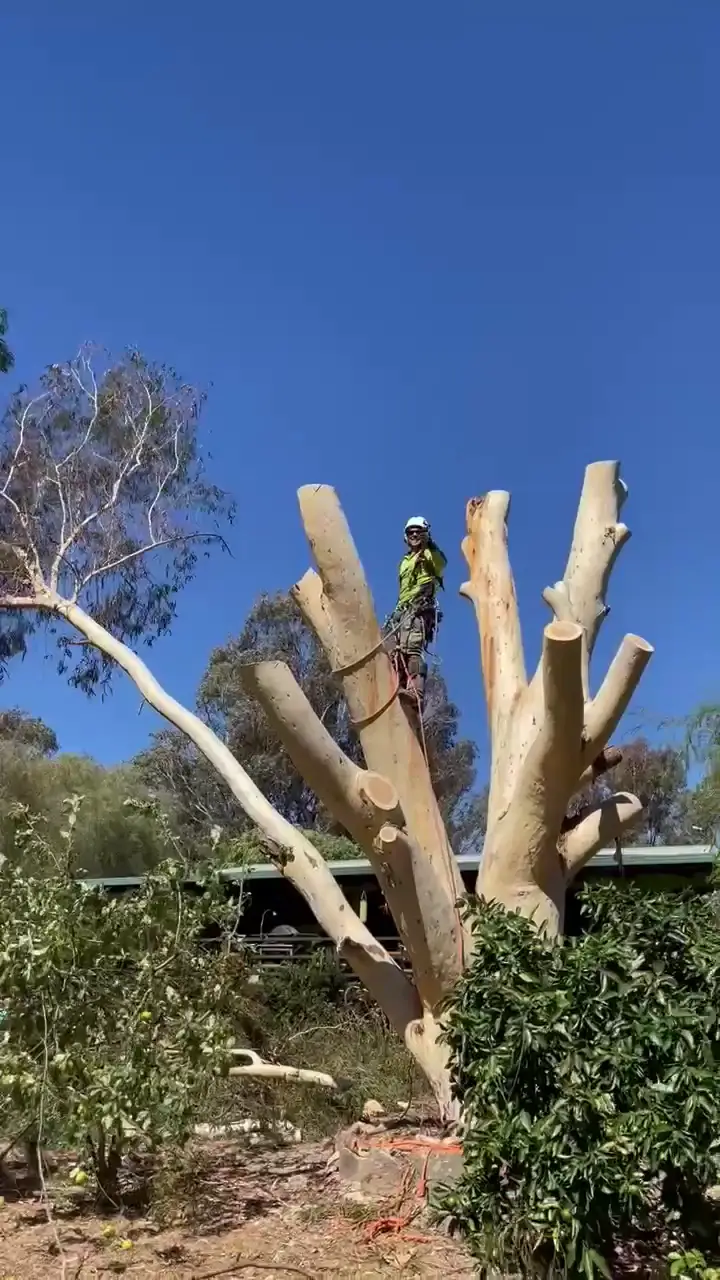
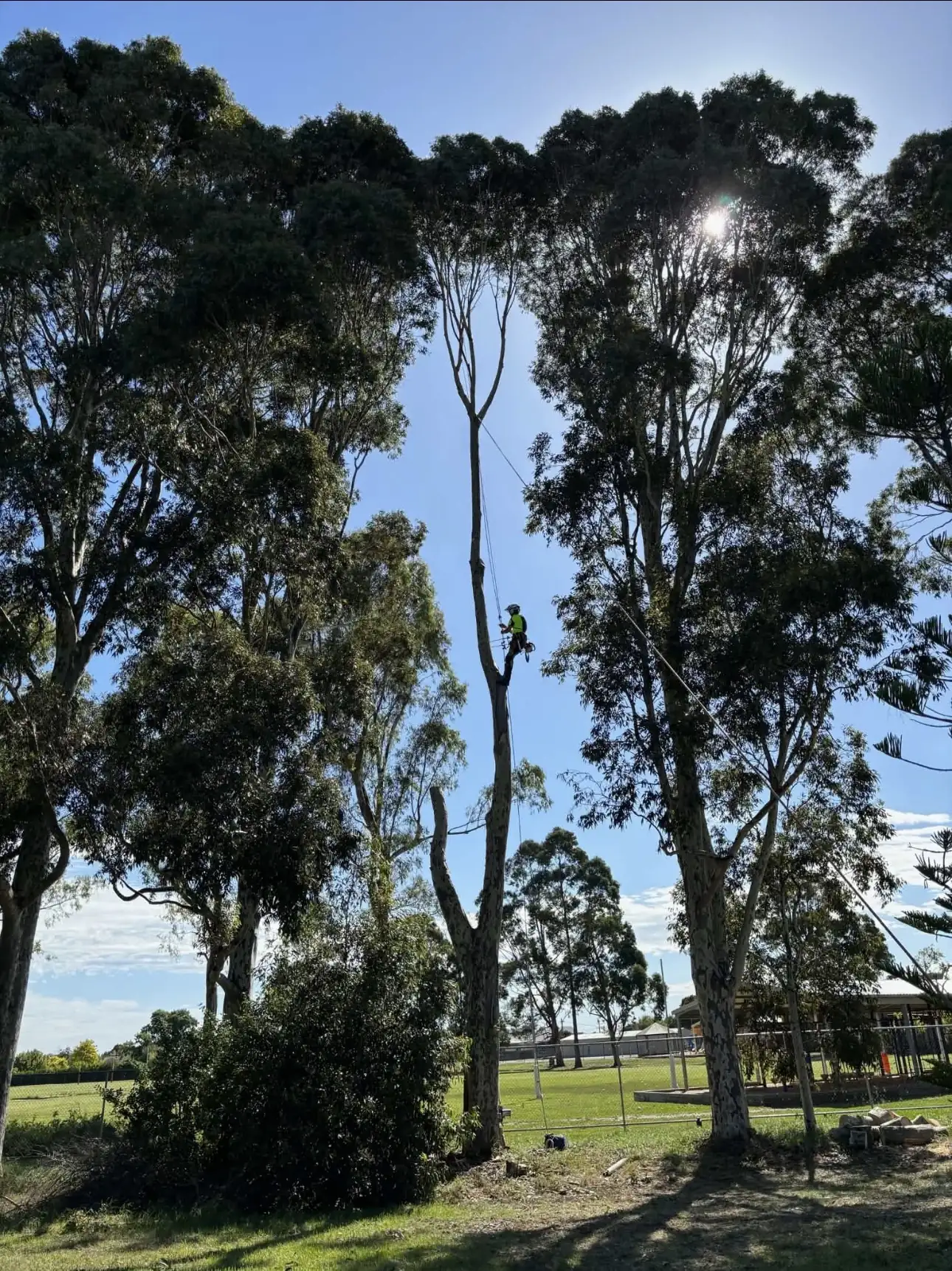
Drew, a Cert III arborist now 20 years into the work, can read what a branch will do once it is cut. Our team does the cutting, on rope or from a spider lift, and tidies the yard when the last limb is down.
Rated 5 out of 5 stars based on 34 customer reviews on Google
Drew and his team were absolutely fantastic. They were patient while we worked with council for the appropriate approvals, on time and very professional. Drew was also happy to assist us with adding on additional pruning and palm removal. Will recommend to everyone and definitely use again in the future.
Drew was great to deal with from the very first call. He stayed in touch throughout the job and sent photo updates along the way which was great. Drew and his team got there on time and did a fabulous job. Prices are reasonable and you can see there is a sense of pride in their work, super easy to deal with, polite and friendly. Thanks Drew and team, i am very happy with the end result.
They were very prompt and professional the guys were all friendly the job was done with ease and they cleaned up afterwards, I thought it was value for my money I am very happy with this experience thank you so much Guys
Awesome service. would recommend these guys to everyone.
Excellent experience with tree removal. Careful work professionally carried out and good clean up on completion. Cheerful crew,respectful and polite. Highly recommended.
Drew called me back within an hour and was able to quote the same day at our rental property. Really good price and efficient team. Thanks again
Why choose us for tree lopping.
Anyone can cut a branch. The skill in tree lopping is choosing where the cut goes and how much comes off, and you deal with the arborist who makes those calls.
Cut to a point: Each branch is taken back to a side branch or a proper collar cut, so no ragged stub is left behind.
Plain talk about limits: If cutting back is the wrong tool for your tree, we say so and show you what works better.
Reached with care: Rope, lift or crane: we pick whichever puts the least strain on the tree and the yard below.
One person to deal with: You hear the advice and the price from the same person who inspected the tree, so what you were told is what is done.
34Google reviews
Everything about our tree lopping service, in one place.
This page explains tree lopping from what the word means to how the job ends. Dip into the part you want, or go to the main [tree lopping page](/services/tree-lopping/).
What tree lopping actually means.
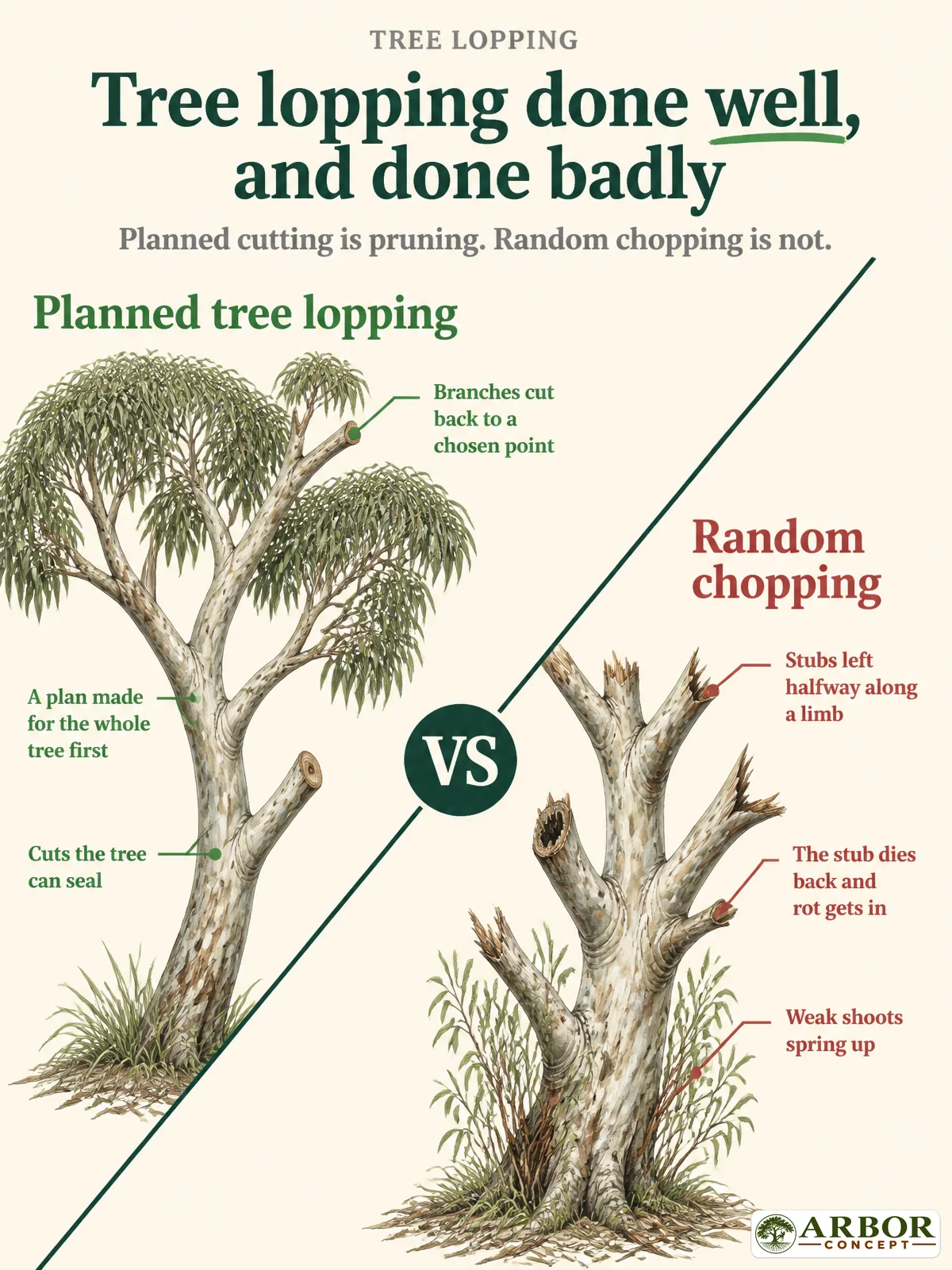
Lopping means shortening a branch by cutting it back to a point you choose. Planned and done well, that is pruning, and a tree takes it in its stride. Done at random by someone without the skill, it is the kind of lopping that gave the word a bad name. The full range of work is set out under our tree lopping services.
- Branches cut back to a chosen point
- A plan made for the whole tree first
- Cuts that the tree can seal
- Never random chopping
Where our tree lopping cuts go.
A branch should be taken back to something: a side branch big enough to carry on as the new end, or the collar where it joins the trunk. A cut halfway along a bare limb leaves a stub. The stub dies back, rot gets in, and the tree throws up weak shoots. Our team picks the point first, then makes the cut.
- Back to a side branch that can take over
- Or back to the collar, where the tree seals best
- No stubs left halfway along a limb
- Large limbs lowered on a rope, never dropped
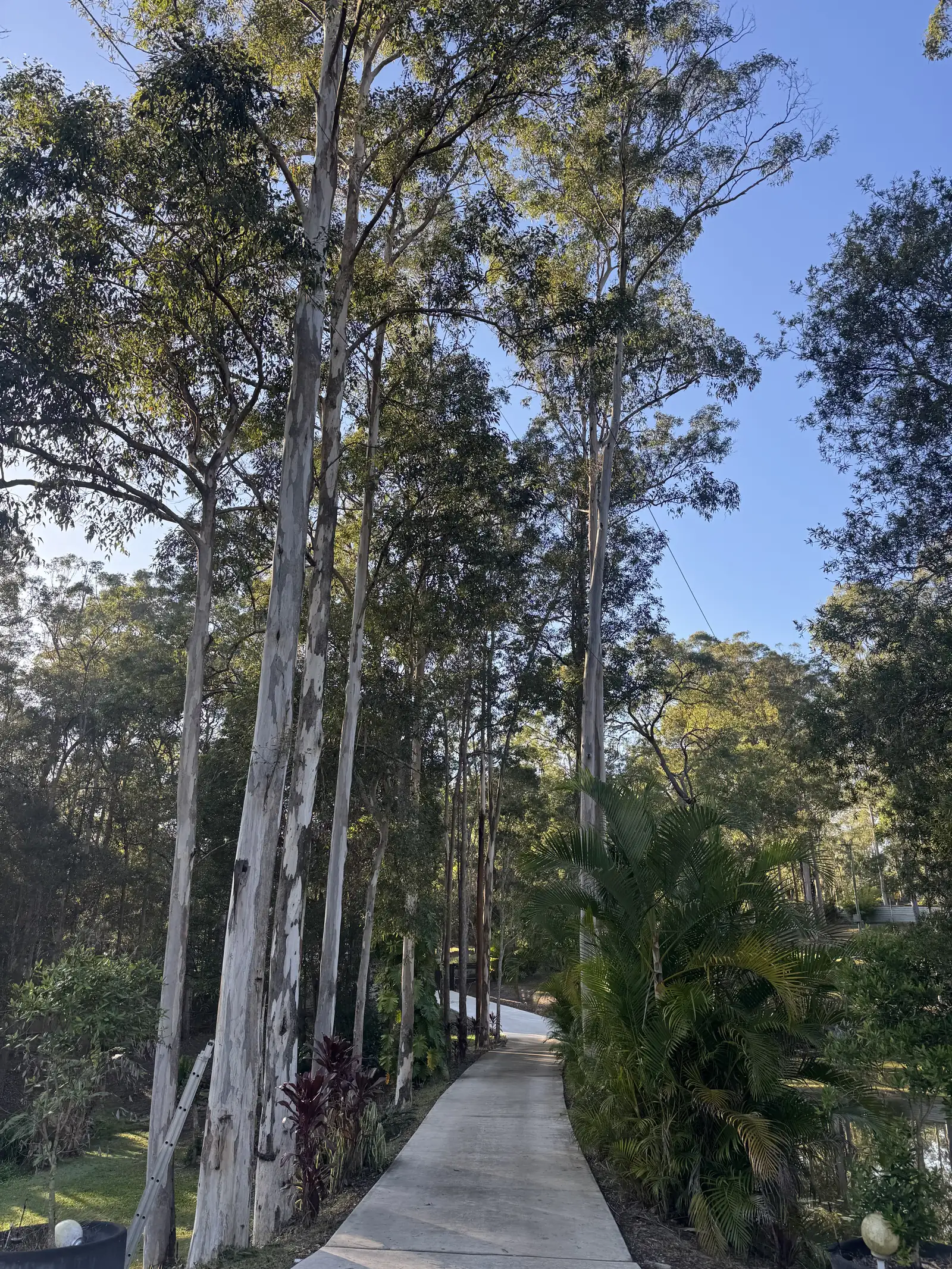
What tree lopping takes off.
Lopping suits a limb that is in the wrong place: over a roof, across a path, into a view or towards a wire. It also suits dead, split or storm-torn wood. What it does not suit is a healthy crown that is simply too big. Our team lops the branch that causes the trouble and leaves the healthy parts that do no harm.
- Limbs resting on roofs and fences
- Branches in the way of paths, drives and views
- Dead, split or storm-torn wood
- Growth heading toward a service wire
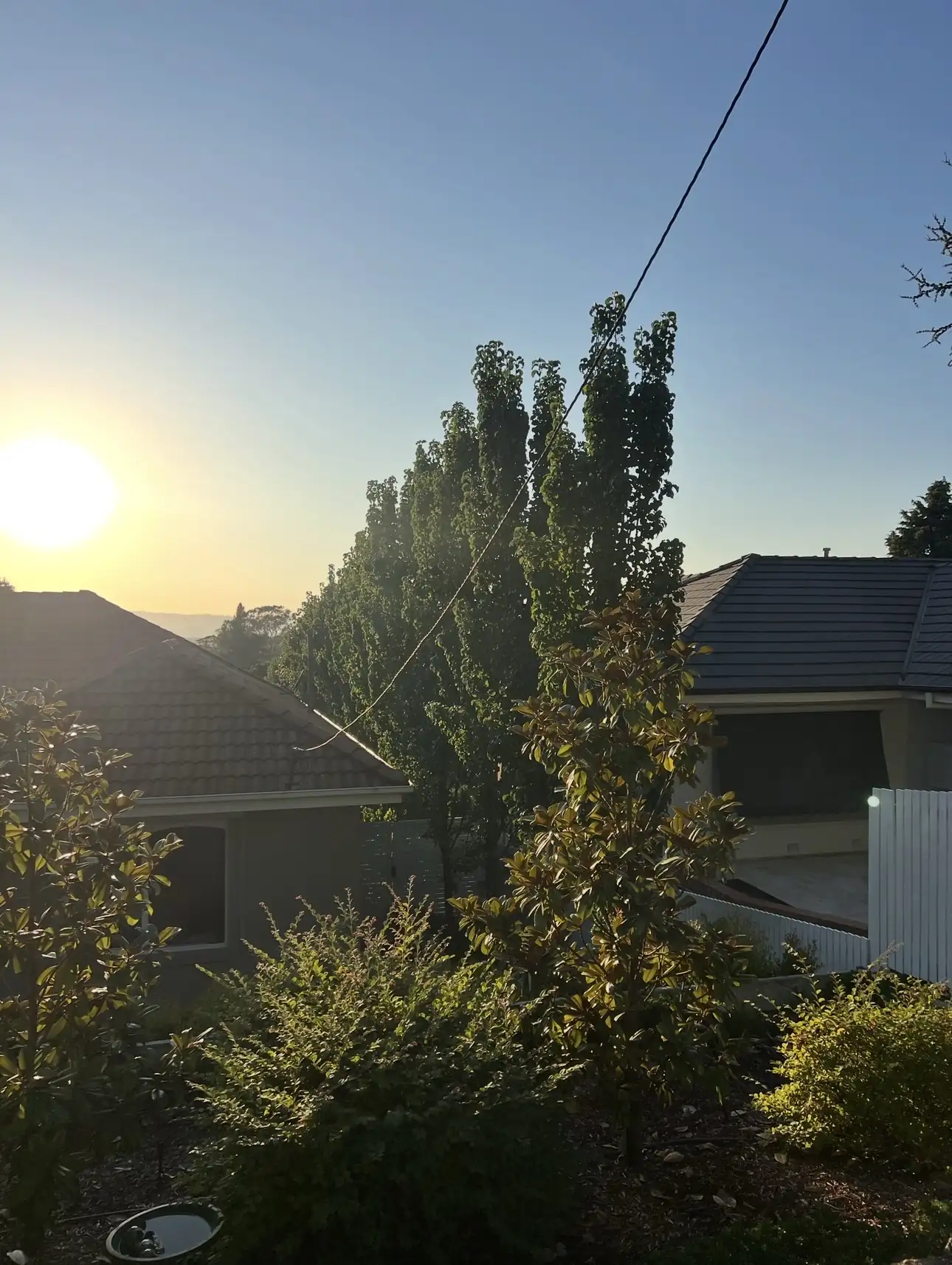
When tree lopping is the right answer.
Tree lopping is right when one part of a sound tree causes a problem and cutting that part back fixes it. A low limb over a drive is a good example. So is a branch that scrapes the roof. The tree stays healthy, the problem goes, and nothing drastic is done. If that sounds like your tree, lopping is a simple, sensible fix.
- One part of a sound tree causes the trouble
- The cut can go back to a proper point
- The tree keeps most of its leaf
- The fix lasts without being repeated each season
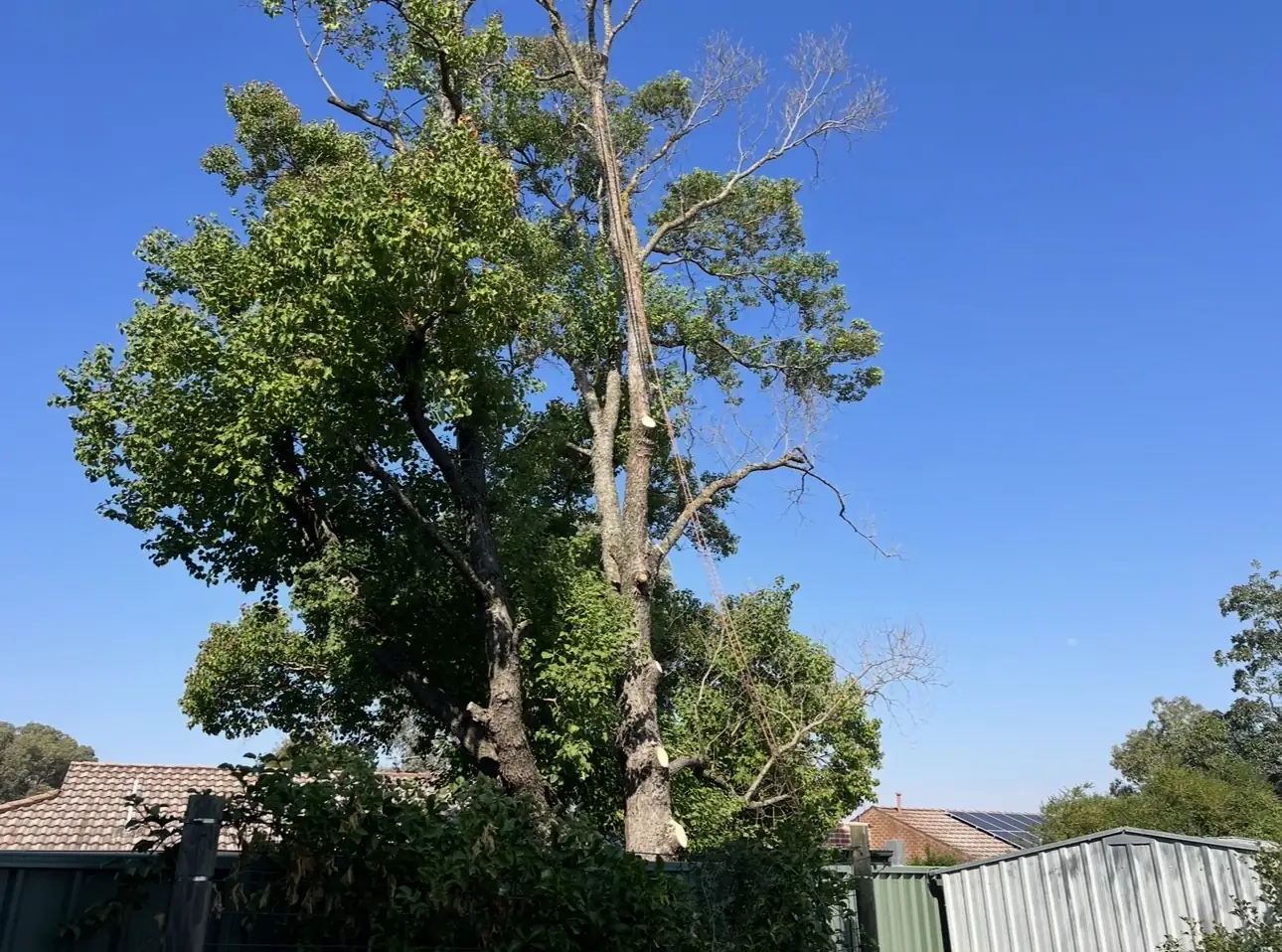
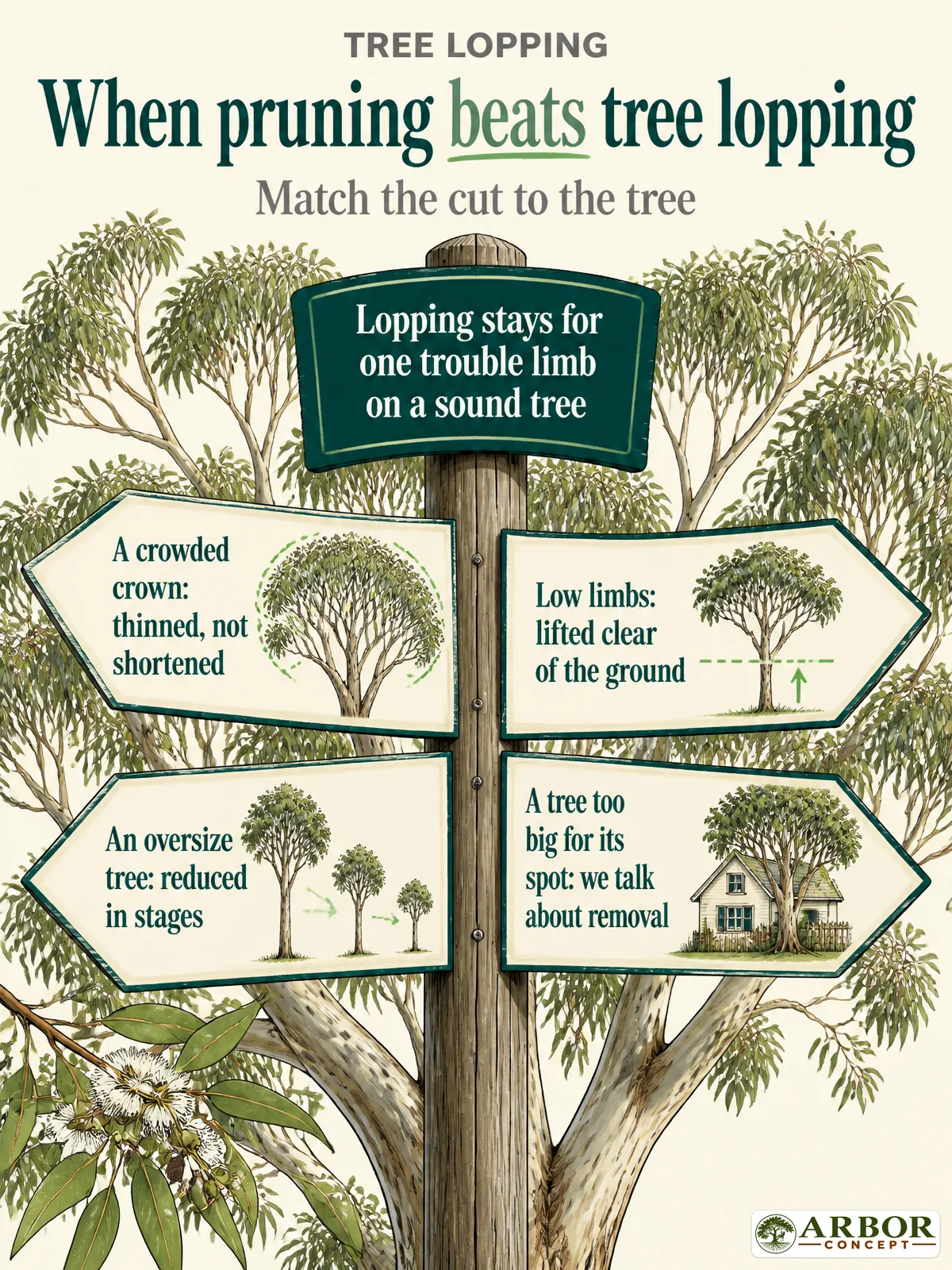
When pruning beats tree lopping.
If a tree no longer fits where it stands, shortening every branch is rarely the answer. Thinning the crown, lifting low limbs or reducing it in stages usually leaves a stronger, better tree. A tree sliced flat through the middle in one go is a different matter, and a qualified tree surgeon will steer you away from it, as we do.
- A crowded crown: thinned, not shortened
- Low limbs: lifted clear of the ground
- An oversize tree: reduced in stages
- A tree too big for its spot: we talk about removal
Getting to the tree for tree lopping.
The method follows the tree. A sound tree takes a climber, who moves through the crown and barely touches the lawn. A frail tree gets a spider lift, with an arm of 27 m and higher. A heavy limb is held by a crane while the saw goes through it. Drew says which, well before the day.
- A climber when the tree is sound enough
- A lift when it is not
- A crane for heavy limbs
- The method named before the day
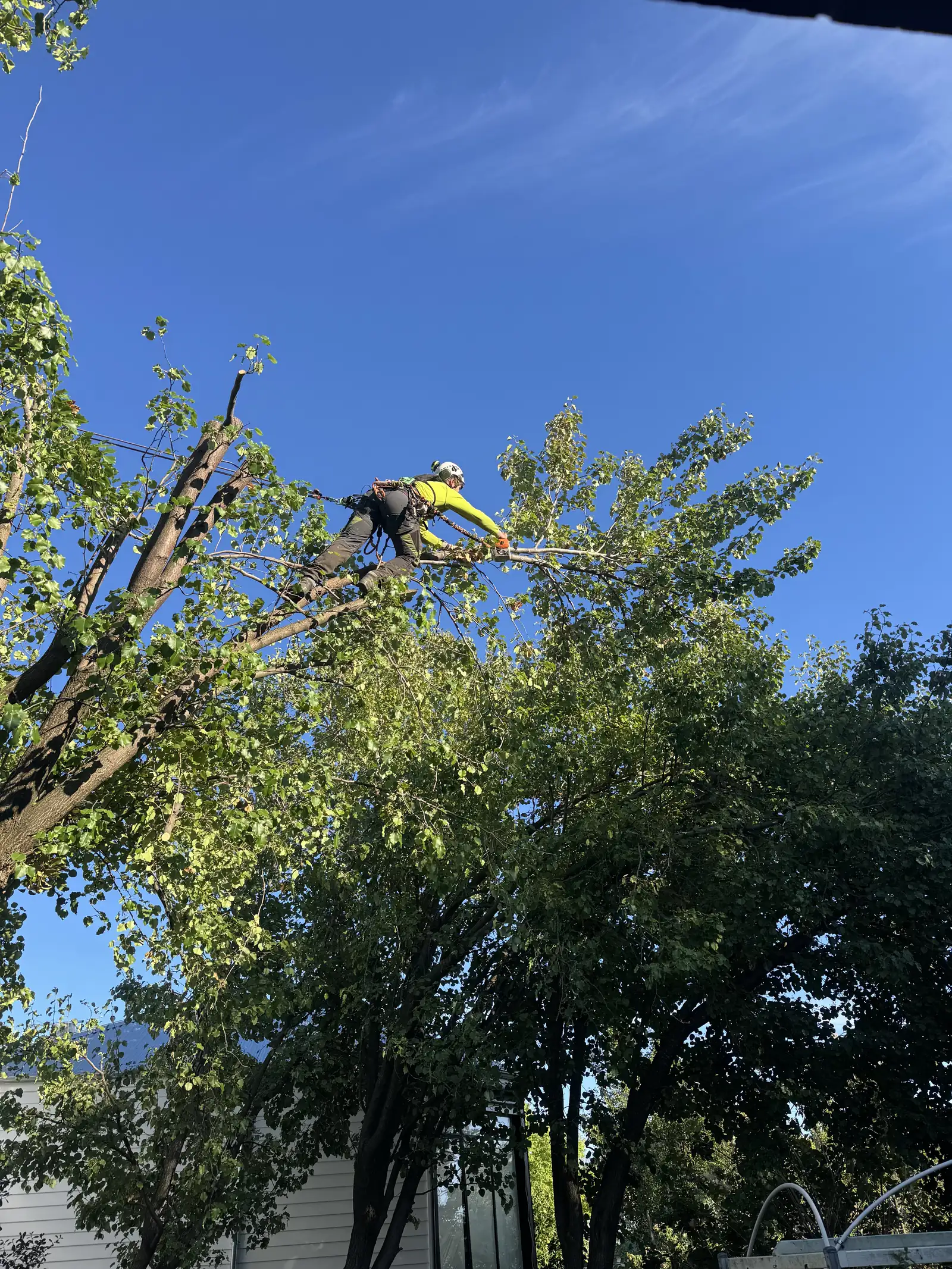
Tree lopping over roofs, fences and wires.
Limbs over a roof are cut back in short pieces and eased down on ropes, so tiles and gutters are left alone. Next to a service wire, a legal approach limit applies, so our team stops short of it and contacts the network owner if the work has to go nearer. We quote no distances here, because they depend on the line. Tell Drew early if wires run near the tree.
- Limbs cut in short lengths over roofs
- Ropes used to lower, not drop
- Wires flagged early so the fix stays small
- The network owner brought in when needed
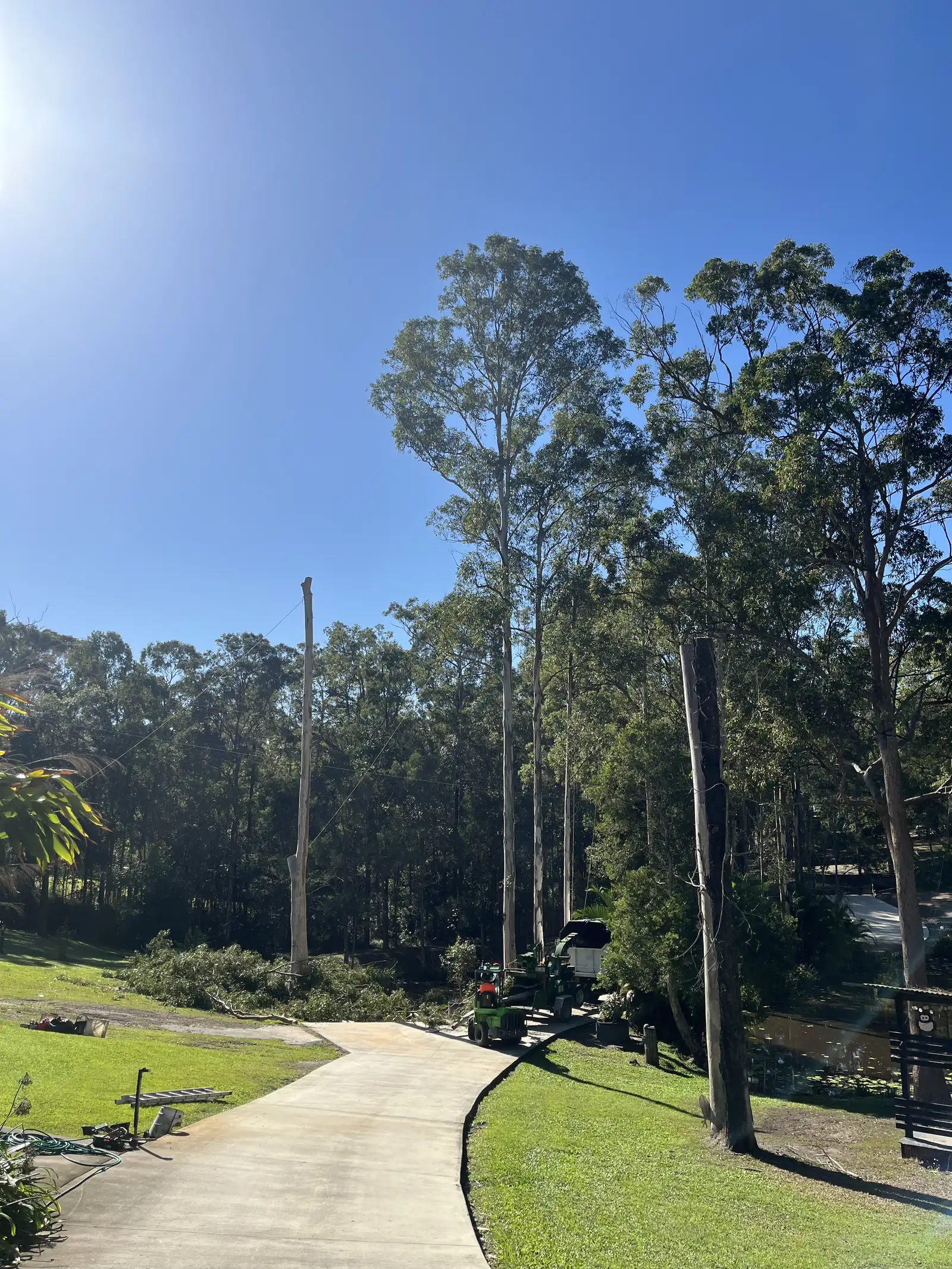
Choosing a tree lopping service.
Ask who will visit before quoting, and who explains each cut. A good arborist can say why a branch goes and what the tree will do next. Drew brings Cert III training and twenty years in the trade to every quote. Public liability insurance covers the job. What shapes the price of a lopping job is set out on its own page.
- An inspection first, and a price second
- Each cut explained before it is made
- Cuts made at the right point on the limb
- Straight advice, even if it means a smaller job
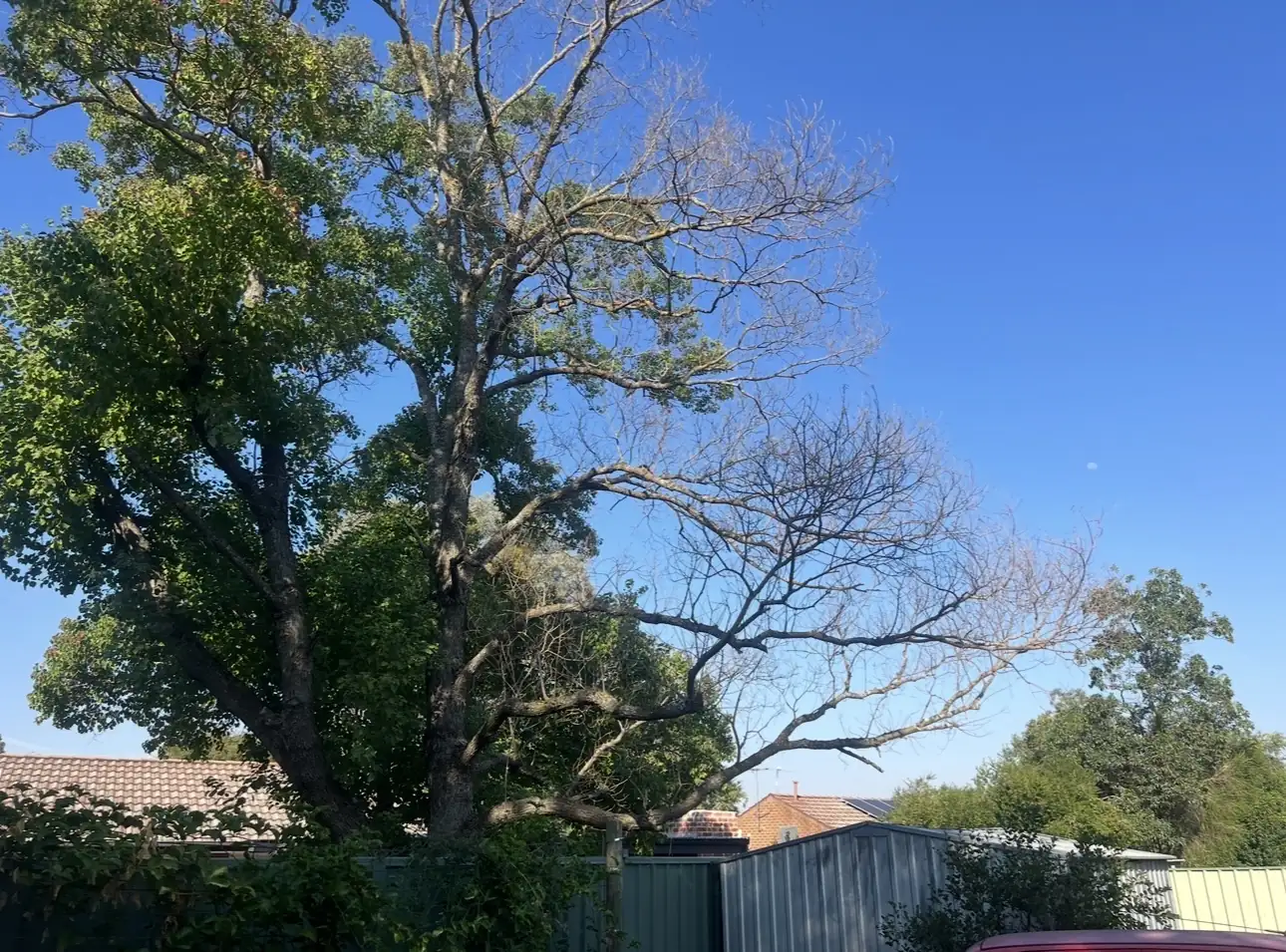
Tree lopping jobs we take on, and how we handle each.
Each tree lopping job gets its own plan. Here are six common ones.
A limb on the roof
Shortened in pieces and eased down on ropes, so the tiles stay untouched.
Branches over the pool
Cut back in lengths and kept clear of the water and the pool fence.
Overhang across a boundary
Cut back neatly to a sound point; if it helps, we will talk the neighbour through it.
A tree shading the house
Thinned and lifted, so light reaches the roof and garden, instead of being cut flat.
Wire clearance
Growth heading toward a wire is trimmed back early, and the network owner joins in if the job needs that.
Storm-broken limbs
Splintered limbs are taken back to good wood, which lets the tree close over the wound.
Gear that suits the cut, and the tree under it.
Rope access
On rope and harness, the climber travels through the crown and lets each limb down on a line. Heavy machinery stays off your lawn.
Spider lift
A narrow tracked machine that reaches 27 m and higher, made for trees too frail to climb and gaps too tight for anything bigger.
Crane
On a heavy limb, the crane bears the weight at the moment of the cut and swings the piece clear of the roof.
18-inch chipper
Thin branches are fed into the 18-inch chipper on the spot, so the site stays clear.
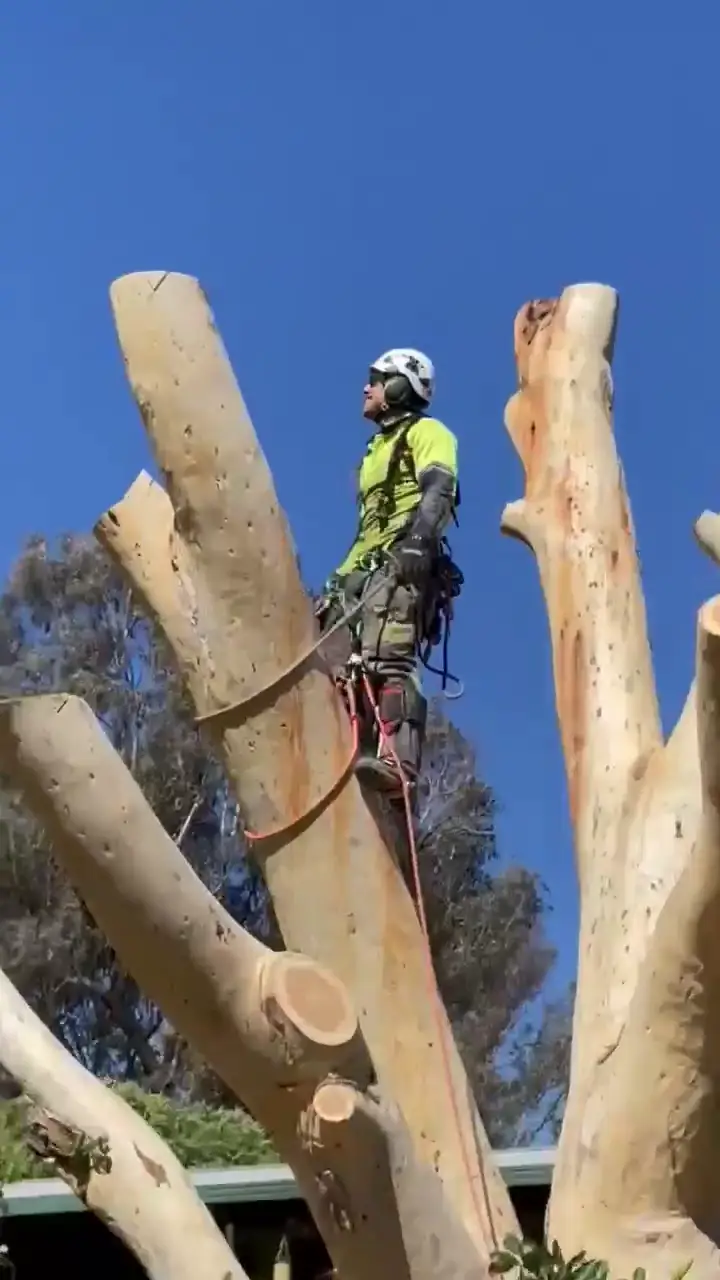
Honest advice, with no pressure.
Broken limbs: tree lopping after wild weather.
A snapped limb can dangle from a thread of bark. Keep clear, and keep other people and cars away too. Where cutting it back makes the tree safe, our team does that. Where the damage goes deeper, Drew says what he sees.
- A limb over the house is the first thing we ask about
- A branch across the drive is cut back and cleared
- Storm damage insurance work is something we do
To talk to Drew about a limb that has come down, use the contact page.
Care for the yard, the fence line and next door.
Where the offcuts go after tree lopping.
Lopping leaves green waste, and where it goes is up to you. The choice covers leftovers only. It is not a service of its own.
Put through the chipper and hauled away
Cut into rounds and stacked for firewood
Chips left on the garden, if you want them as mulch
A sound limb kept whole for a miller, which we arrange
Four things to do before tree lopping day.
- 1
Walk the tree and mark the branches that bother you with a ribbon.
- 2
Clear cars, bins, toys and furniture from underneath.
- 3
Keep pets inside and pick up anything left on the lawn.
- 4
Tell the neighbours yourself, or ask us to have a word with them.
Check the rules before any cutting.
Rules on cutting trees are set by each council and are revised now and then. A protected tree cut without approval can mean a fine, so ask your council before anyone picks up a saw.
Tell Drew which tree you mean, and he can help you see which approvals could be relevant. If cutting back cannot save the tree, tree removal may be the honest answer.
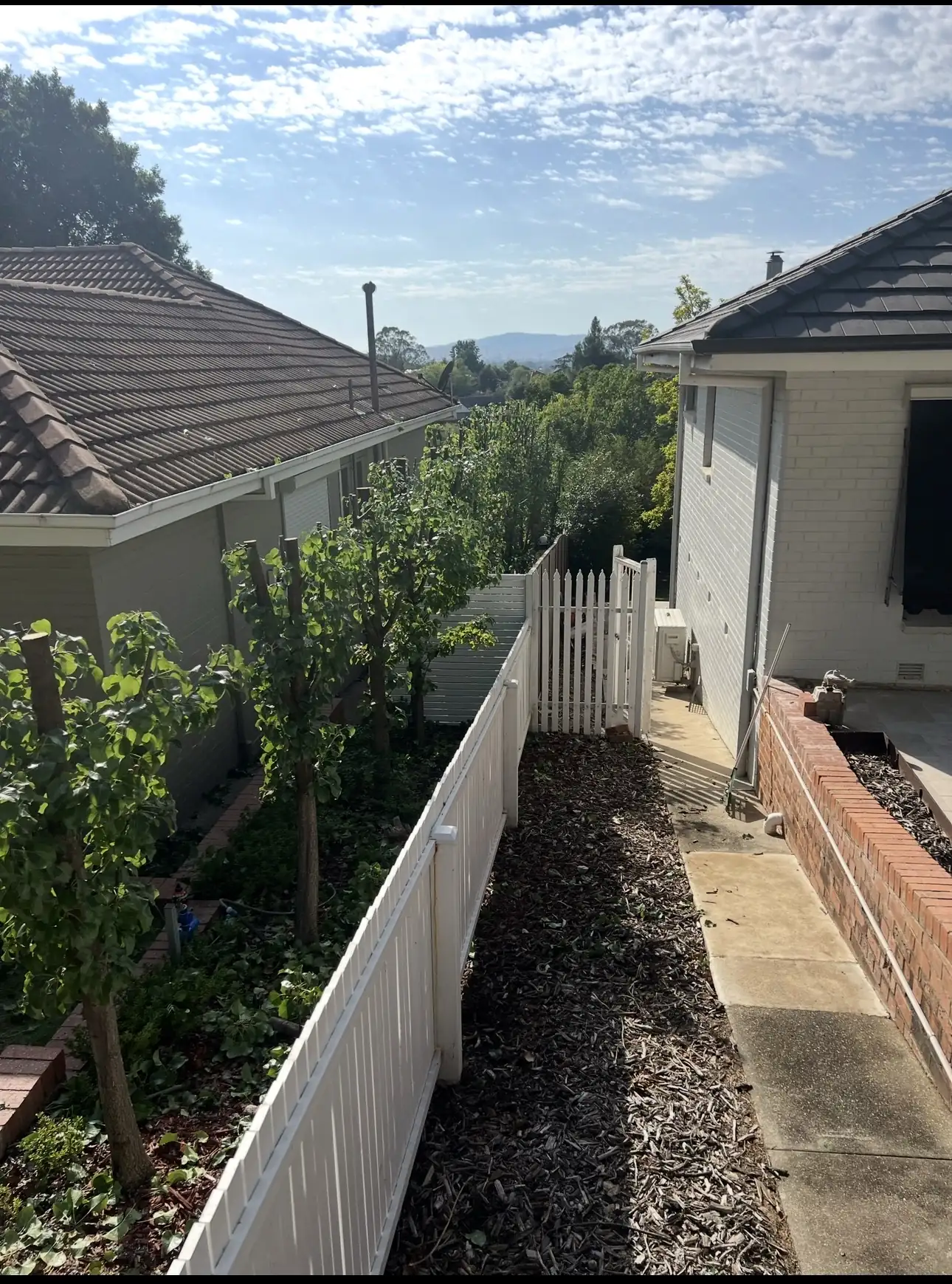
Real trees, cut back with care.
Questions about tree lopping.
What is included in tree lopping?
Drew inspects the whole tree and settles with you which branches go and where each is cut back. Our team then makes the cuts, protects the house and garden, handles the green waste as agreed and leaves the yard neat.
Is lopping the same as pruning?
People use lopping for any job that shortens a branch. Planned, with clean cuts, it is pruning. Done at random it harms the tree. Our team only does the planned kind.
Why do people say tree lopping is bad?
Because of hacked stubs and flat-topped trees. A branch cut halfway along with no plan rots, then sends out weak shoots that snap in the wind. Cut back to a proper point, lopping's a normal part of tree care.
Can you lop my big tree in half?
We usually advise against it. A large tree cut hard can be harmed and made dangerous, and we may turn the job down. Drew will suggest easing the crown back in steps, letting light through, or taking the tree out when that is the safest course.
Will a lopped tree grow back?
Most do put out fresh shoots. After a hard cut those shoots are often weak and poorly attached, which is why we favour a smaller cut in steps. Drew explains the plan before our team starts.
How far back can a branch be cut?
Back to a point that makes sense: a side branch able to carry on as the new end, or the collar. Cutting a bare limb halfway leaves a stub. Drew shows you the point before our team makes the cut.
Is tree lopping right for a tree that has become too big for its spot?
Sometimes not. Where the whole crown is too big, thinning, lifting or reducing in steps often does better. Drew gives you an honest view of which suits your tree, even if the better job is a smaller one.
Do you take the branches away after tree lopping?
Yes, if you want that. Thin branches go into the chipper and leave with us, while heavier pieces can be cut and stacked as firewood. The chips can stay on your garden instead.
Do I need council approval for tree lopping?
The answer rests on your particular tree and council, and rules shift over time. Cutting a protected tree wrongly can bring a fine. Ask your council first, and Drew can help you see what may apply.
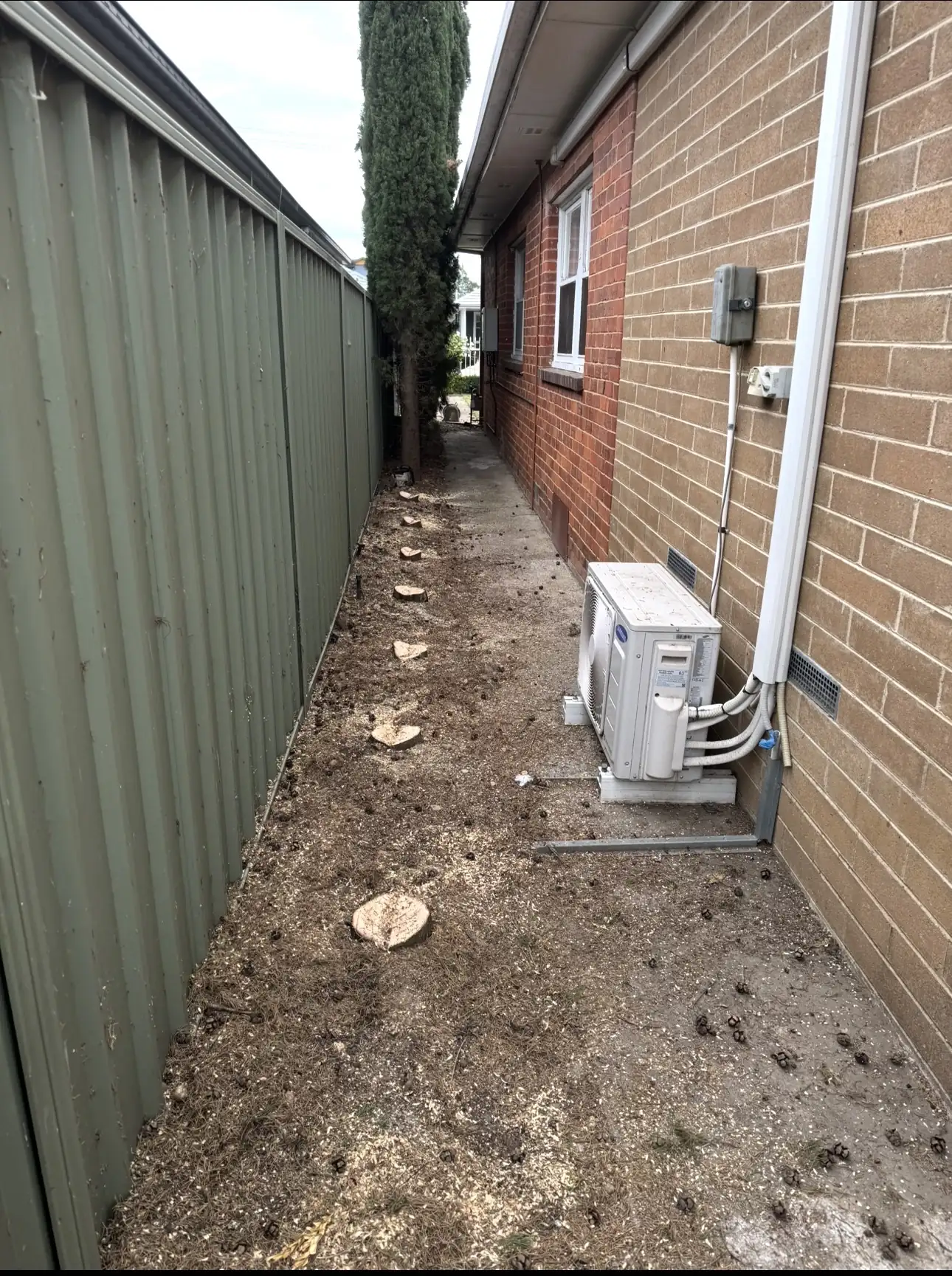
Meet Drew, and the team behind tree lopping.
Drew runs Arbor Concept. He takes your enquiry about tree lopping, comes to see the tree and gives you a price after the visit, which costs you nothing.
Our team takes care of the lift, the cut and the chip, and sweeps up at the end. For a limb over the house, or a tree that needs more than a trim, our tree lopping service starts with Drew's visit.
How we work with you, from call to clean-up.
- 1
First contact
Describe the tree and the trouble. The voice that answers belongs to the arborist.
- 2
Your quote
Drew names a price after he has stood under the tree. Every customer's price comes from one method. Photos are no substitute for a visit, so none is ever used.
- 3
On-site inspection
Drew goes through the branches, the access and the ground with you, then decides where each cut falls. You settle half to hold the day, then the rest at the end.
- 4
The cutting day
Our team makes the agreed cuts, covers the house, fences and garden against harm and leaves the yard neat.
Offcuts go in the chipper, or on the pile you asked for, and the site is raked and swept before we go.
Thinking about tree lopping?
Say which tree it is and what is bothering you. Drew comes out to look, and our team handles the work once you are happy with the plan.